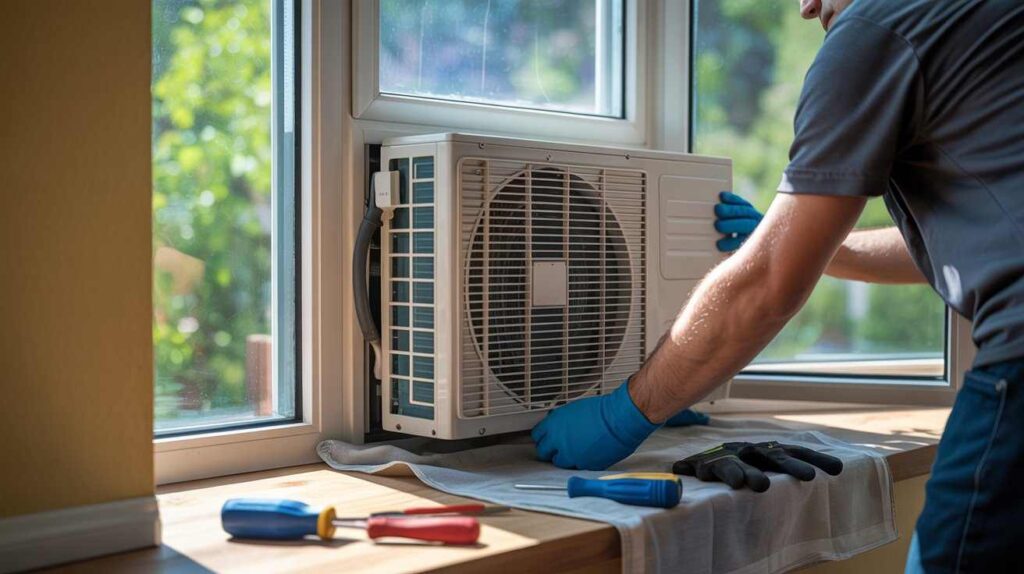
Are you struggling with an old, inefficient window air conditioner? Disposing of a window AC unit improperly can harm the environment, release hazardous refrigerants, and waste valuable materials. Knowing how to recycle window AC unit safely is essential for protecting the planet and reclaiming resources like copper, aluminum, and steel.
In this guide, we’ll walk you through practical steps to prepare, transport, and recycle your window AC unit responsibly. From handling refrigerants to finding certified recycling centers, you’ll learn everything needed to dispose of your old appliance efficiently and eco-consciously, turning a potential environmental hazard into an opportunity for sustainability.
Why Recycling Window AC Units is Important
Window AC units contain materials such as metals, plastics, and chemical refrigerants. Improper disposal of these components can have serious environmental consequences.
- Refrigerants – Older AC units often contain R-22 or R-410A, potent greenhouse gases that contribute to ozone depletion. Releasing these gases into the atmosphere accelerates climate change.
- Metals – Copper coils, aluminum fins, and steel housing can be valuable if recovered, but left in landfills, they take decades to degrade.
- Plastics – Many AC units use durable plastics that are not biodegradable.
Recycling window AC units ensures hazardous chemicals are properly managed and valuable materials are reclaimed for reuse. Additionally, recycling aligns with sustainability goals, reduces landfill waste, and supports eco-friendly manufacturing practices.
Step-by-Step Guide: Preparing Your Window AC Unit for Recycling
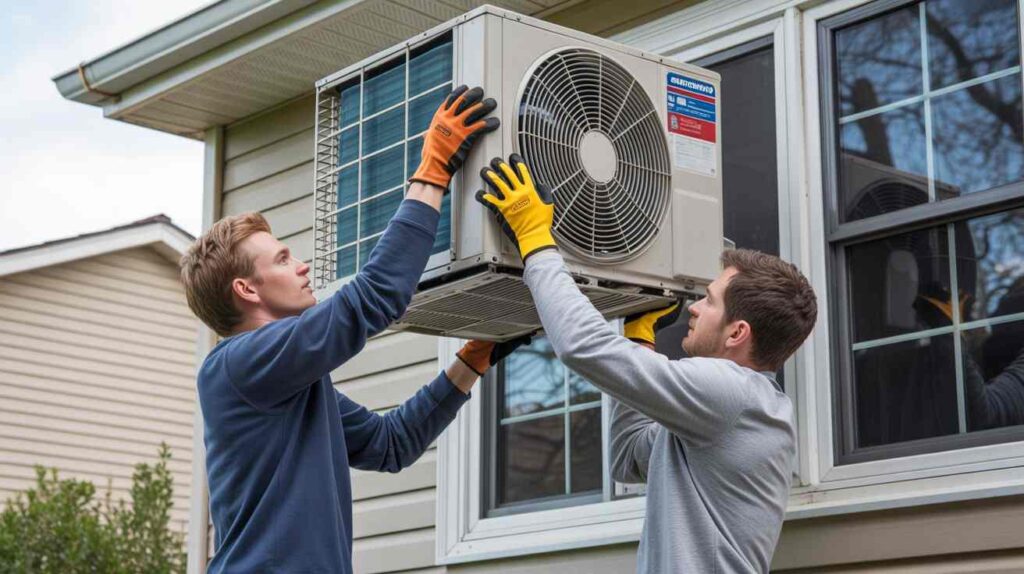
Proper preparation makes the recycling process safe and efficient. Here’s how to prepare a window AC unit for recycling:
1. Turn Off and Unplug the Unit
Ensure the AC is disconnected from the power source to prevent electrical hazards.
2. Remove the Unit Safely
Window AC units are heavy and bulky. Seek assistance to lift and carry the unit to avoid injuries.
3. Drain Condensation and Moisture
Most units have condensation that can leak during transport. Drain any water into a bucket.
4. Remove Filters and Reusable Parts
Filters in good condition can be cleaned and reused. Other parts like screws or brackets may also be salvageable.
5. Check the Refrigerant Type
Document the refrigerant type (R-22, R-410A, etc.) to inform recycling centers. This ensures proper handling by certified technicians.
6. Package for Transport
Wrap the unit in a protective covering to prevent damage during transport. Ensure it remains upright to avoid refrigerant leaks.
Identifying Recycling Centers and Programs
Finding the right recycling center is crucial. Options include:
- Municipal Recycling Centers
Many city-run recycling centers accept small appliances, including window AC units. These programs often handle refrigerants safely. - Retail Take-Back Programs
Some retailers offer recycling services when purchasing a new AC unit. Brands may also have mail-back or drop-off programs. - Specialized E-Waste Recyclers
Certified e-waste recyclers handle electronics and appliances, ensuring refrigerants and metals are processed safely. - Scrap Metal Dealers
Even if the unit is non-functional, scrap yards can recover copper, aluminum, and steel, reducing waste and contributing to material reuse.
Before choosing a center, always confirm that they are licensed to handle refrigerants and comply with local environmental regulations.
Safe Handling of Refrigerants
Refrigerants are a key environmental concern when recycling window AC units. Improper handling can lead to severe environmental and legal consequences.
- Hire Certified Technicians
Only EPA-certified professionals should recover refrigerants. - Avoid Puncturing the Unit
Puncturing the compressor releases harmful gases into the atmosphere. - Transport Upright and Securely
Prevent tipping or damage during transport to reduce the risk of leaks.
By following these safety measures, you protect the environment and ensure compliance with legal requirements.
Materials Recovered from Window AC Units
Recycling window AC units allows recovery of valuable materials:
- Copper Coils – Used in electronics, plumbing, and electrical components.
- Aluminum Fins – Melted and repurposed in automotive, construction, and manufacturing.
- Steel Housing – Recycled steel reduces the need for virgin material extraction.
- Plastics – Reused in new appliances or plastic products.
Recovering these materials conserves natural resources, saves energy, and reduces greenhouse gas emissions associated with mining and manufacturing new materials.
Repair vs. Recycling: Making the Right Choice
Sometimes repairing a window AC unit is a viable alternative to recycling:
- Minor Repairs – Cleaning coils, replacing filters, or fixing leaks can restore efficiency.
- Environmental Benefits – Extending the life of your AC unit reduces the demand for new materials.
- Cost Considerations – Repairs are often less expensive than purchasing a new unit.
However, for older units (10–15 years) or those with major refrigerant leaks, recycling is usually the more responsible option.
Creative Reuse and Upcycling Options
If your AC unit is partially functional or repairable, consider alternative uses:
- Convert Into a Fan or Cooling Device
Even non-functional units may have usable fans or motors that can be repurposed. - Donate to Charities or Repair Shops
Organizations may accept working or repairable units to provide affordable cooling solutions. - DIY Projects
Copper and aluminum components can be used in art, home projects, or electronics.
Creative reuse not only prolongs the life of materials but also reduces environmental impact.
Environmental and Legal Considerations
Improper disposal of window AC units carries environmental and legal risks:
- Refrigerants Harm the Environment
Even a small leak contributes to ozone depletion and global warming. - Landfill Waste
Metals and plastics can remain in landfills for decades. - Legal Consequences
Many regions impose fines for improper disposal of refrigerants.
Recycling and proper handling are essential for environmental protection and legal compliance.
Cost of Recycling Window AC Units
Recycling fees vary depending on the program:
- Free Municipal Programs
Many cities offer free drop-off for residents. - Retail or Contractor Fees
Some programs charge a small fee during appliance exchange. - Scrap Value
Selling copper, aluminum, and steel can sometimes offset recycling costs.
Understanding your options allows you to select the most cost-effective and environmentally responsible approach.
Innovative Recycling Programs
Several innovative initiatives make recycling window AC units easier and more efficient:
- Utility Company Incentives
Some providers offer rebates for recycling inefficient AC units. - Community E-Waste Drives
Organized events collect appliances for safe disposal. - Certified Zero-Waste Recyclers
Specialized companies aim to recover almost 100% of materials from old units.
Participating in these programs maximizes material recovery while reducing environmental impact.
Tips for Eco-Friendly Window AC Usage
Recycling is important, but you can also minimize environmental impact during the unit’s life:
- Regular Maintenance – Clean filters and coils to improve efficiency.
- Energy-Efficient Models – Use units with higher SEER ratings.
- Smart Usage – Use timers and thermostats to reduce energy consumption.
- Proper Storage – Store units properly during off-season to prolong life.
By combining eco-friendly usage and responsible recycling, you contribute to a more sustainable lifestyle.
Final Thoughts
Recycling a window AC unit is more than just disposal—it’s a step toward environmental stewardship. Proper preparation, safe handling of refrigerants, and use of certified recycling programs ensure that harmful chemicals don’t enter the environment and valuable materials are reclaimed. By taking these steps, you also comply with regulations and reduce your carbon footprint.
Choosing between repair, donation, or recycling depends on the unit’s condition, efficiency, and environmental impact. Every responsible action you take extends the lifecycle of materials and supports sustainable practices. With proper awareness and effort, recycling window AC units can be an easy, responsible, and eco-friendly habit.
FAQs About Recycling Window AC Units
1. Why is it important to recycle a window AC unit?
Recycling a window AC unit prevents hazardous refrigerants from harming the environment, reduces landfill waste, and allows valuable materials like copper, aluminum, and steel to be recovered and reused.
2. Can I recycle a window AC unit myself?
You can prepare the unit by unplugging it, draining moisture, and removing reusable parts. However, refrigerant recovery must be done by a certified professional to comply with safety and legal requirements.
3. What materials can be recovered from a window AC unit?
Copper coils, aluminum fins, steel housing, and plastics are commonly recovered. These materials can be reused in manufacturing, construction, and electronics.
4. How do I find a certified recycling center for my AC unit?
Check local government recycling programs, certified e-waste recyclers, and retail take-back initiatives. Ensure the center is licensed to handle refrigerants safely.
5. Should I repair my old AC unit or recycle it?
If the unit is efficient and repairs are cost-effective, repairing can extend its life. For older units, major refrigerant leaks, or inefficiency, recycling is the more responsible choice.
6. What happens if refrigerants are released improperly?
Improper release of refrigerants contributes to ozone depletion and global warming. It can also result in legal penalties and fines in many regions.
7. Are there free recycling programs for window AC units?
Yes, many municipal recycling centers and community e-waste drives accept old AC units for free. Some utility companies also offer rebates for recycling inefficient units.
8. Can I donate my window AC unit instead of recycling it?
Yes, charities, repair shops, or organizations may accept working or repairable AC units, providing affordable cooling solutions while extending the unit’s life.
9. How should I transport a window AC unit for recycling?
Keep the unit upright, secure it to prevent tipping, and avoid puncturing any components. This prevents refrigerant leaks and damage during transport.
10. Are there eco-friendly ways to reuse parts from a window AC unit?
Yes, fans, motors, copper, and aluminum components can be repurposed for DIY projects, creative upcycling, or other household applications.
11. How often should I consider recycling my AC unit?
Typically, after 10–15 years of use, or if the unit becomes inefficient, has major refrigerant leaks, or requires costly repairs.
12. Can recycling my AC unit save me money?
Yes, you may offset disposal costs by selling scrap metals like copper and aluminum, and some programs offer rebates or incentives for recycling.
13. What environmental benefits come from recycling window AC units?
Recycling reduces greenhouse gas emissions, prevents toxic chemicals from entering the environment, and conserves resources by reclaiming metals and plastics.
14. What should I do before taking my AC unit to a recycling center?
Unplug the unit, remove filters and reusable parts, drain moisture, check the refrigerant type, and wrap it for safe transport.
15. Are there innovative recycling programs for old AC units?
Yes, some companies aim for near-zero waste recovery, while utilities may offer rebates, and community e-waste events facilitate safe, responsible recycling.
Continue Reading
Geometry Learn V3: Complete Geometry Learning Made Easy
Maximize Growth Using Generative AI Development Services Now