Introduction
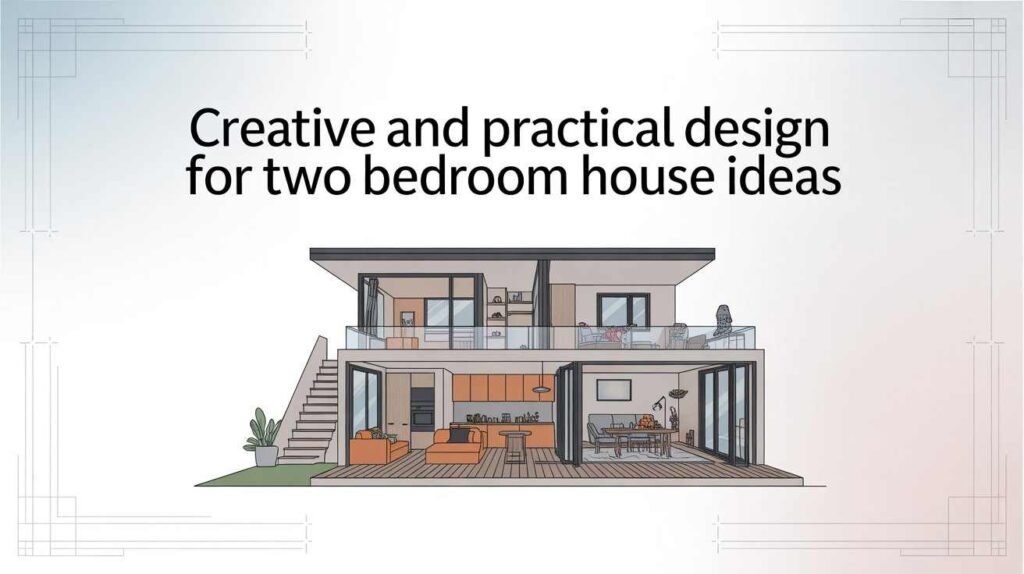
Designing a two-bedroom house presents unique challenges, especially when working with limited space. Whether you’re a first-time homeowner or downsizing, the goal is to create a living environment that feels spacious, functional, and inviting. A two-bedroom house doesn’t have to feel cramped or cluttered, and with the right design approach, it can be transformed into a comfortable haven.
In this article, we will discuss how to make the most of your two-bedroom house design. From layout considerations to furniture choices, color schemes, and décor tips, we’ll provide you with ideas that can help maximize both style and functionality. We’ll dive into storage solutions, space optimization, and strategies to ensure that each room serves its purpose without compromising on comfort or aesthetics.
Whether you’re starting from scratch or simply looking to refresh your existing space, this guide will equip you with the tools and knowledge needed to design your perfect two-bedroom house.
Maximizing Space in a Two-Bedroom House
Space maximization is one of the primary concerns when designing a two-bedroom house. In smaller homes, it’s crucial to make every square foot count, creating a layout that feels open and airy rather than cluttered.
Open Concept Layout
One of the most effective ways to maximize space in a two-bedroom house is by opting for an open-concept design. By combining the living, dining, and kitchen areas into one large space, you eliminate unnecessary walls that can divide the space and make the home feel smaller. This design fosters a sense of flow, allowing natural light to penetrate deeper into the rooms, making everything feel more expansive.
Multi-Functional Furniture
Furniture that serves multiple purposes is a must in smaller spaces. For example, consider a sofa that converts into a bed for guests, a dining table that doubles as a workspace, or an ottoman that also serves as a coffee table and storage unit. These kinds of multi-functional furniture pieces help eliminate clutter and maximize the usability of each room.
Vertical Space
Don’t forget about vertical space. When floor area is limited, look to the walls for additional storage. Install floating shelves, wall-mounted cabinets, or tall bookcases to store items without occupying precious floor space. Vertical storage solutions allow you to keep items organized while keeping the main areas clear and open.
Use of Mirrors and Light Colors
Mirrors are another valuable tool for making a small space feel larger. They reflect light and create an illusion of depth, making rooms appear bigger than they actually are. In combination with light colors, mirrors can help brighten up the space. Opt for light-colored walls in soft neutrals, whites, or pastels, which visually expand the area and make it feel airy.
Choosing the Right Color Palette
The color palette you choose can have a significant impact on how spacious your two-bedroom house feels. Light colors generally work better in small spaces, as they reflect more light and make rooms appear larger. However, incorporating some darker or accent colors can add depth and personality to your home.
Light and Neutral Colors
For a bright and open atmosphere, light neutrals like soft whites, beiges, and light grays are ideal. These tones help reflect natural light and give the impression of a larger area. When used on walls, ceilings, and large furniture pieces, these shades create a clean, serene foundation for the rest of your décor.
Bold Accents
That being said, don’t shy away from adding a pop of color. Accent walls in a rich navy blue, emerald green, or even mustard yellow can create an inviting focal point without overwhelming the space. These bold colors should be used sparingly and typically on one wall per room. Other ways to introduce color include adding vibrant throw pillows, rugs, or artwork.
Bedroom Colors
In the bedroom, soft tones such as light blues, muted greens, and soft pastels are known to create a calm and restful atmosphere. On the other hand, darker tones such as deep blues or grays can be used to evoke a cozier and more intimate vibe. In the second bedroom, consider using colors that reflect its intended use—whether it’s a guest room, office, or children’s room—ensuring the colors match the mood you’re hoping to achieve.
Furniture Selection for Maximum Functionality
Choosing the right furniture is essential in a two-bedroom house, where space is limited. The furniture should not only be aesthetically pleasing but also functional and space-saving. Prioritize pieces that offer multiple uses or that can be stored away when not needed.
Prioritize Storage Furniture
Storage should be an integral part of your furniture selections. Beds with built-in storage drawers underneath are perfect for storing linens or seasonal items. Dining tables with extendable features allow you to accommodate guests without permanently taking up space. Look for sofas that come with hidden compartments, offering additional storage for blankets and throw pillows.
Furniture that Moves
In a smaller home, you want furniture that is flexible and can adapt to different needs. For example, a foldable dining table or stackable chairs can be put away when not in use, freeing up space for other activities. In the living room, consider modular sofas that can be rearranged to fit different seating needs.
Scale of Furniture
In smaller homes, it’s essential to choose furniture that is in proportion to the space. Avoid oversized pieces that dominate the room and make it feel cramped. Instead, go for low-profile, sleek furniture that complements the size of the room. Opt for pieces with legs, as they allow the floor to be visible, helping to create a sense of space.
Designing Each Bedroom
Master Bedroom Design
In the master bedroom, creating a relaxing, comfortable environment should be the priority. Choose a bed that serves as the focal point of the room and select soft, calming colors for the linens and walls. Invest in a high-quality mattress for ultimate comfort, and keep décor simple with a few key pieces such as lamps, artwork, and a rug.
To save space, opt for built-in wardrobes or shelves that minimize clutter. Under-bed storage is also a great way to keep seasonal clothes and other items neatly tucked away. If you have the space, create a cozy reading nook or a small desk area for extra functionality.
Second Bedroom Design
The second bedroom should reflect its intended use. If it’s a guest bedroom, focus on comfort and make the space inviting with a soft bed, plenty of pillows, and good lighting. If the second room serves as an office, use a compact desk, comfortable chair, and organizational storage solutions. For a child’s room, consider adding playful elements and practical furniture such as a storage bench or a fold-out crib.
Ensure the room can easily switch functions if needed. For example, a pull-out sofa or a wall-mounted desk can help make the room work for different purposes without taking up too much space.
Lighting and Ventilation Considerations
Lighting plays a crucial role in making a two-bedroom house feel larger and more comfortable. A combination of natural and artificial lighting can create an inviting atmosphere that enhances the space.
Natural Light
Make the most of natural light by using sheer curtains or blinds that allow light to flood into the rooms. Place mirrors opposite windows to reflect the light and create a sense of depth in the room. The more light that enters your home, the more open and spacious it will feel.
Layered Lighting
In addition to natural light, incorporate layered lighting into your design. This includes ambient lighting (general lighting), task lighting (focused lighting for reading or working), and accent lighting (for highlighting features like artwork). Dimmable lights are a great choice for versatility.
Ventilation
Good airflow is essential in a two-bedroom house. Ensure that each room has enough windows to allow for cross-ventilation. Ceiling fans can also be a great addition to help circulate air, especially in smaller rooms that may feel stuffy. Proper ventilation keeps the indoor environment fresh and comfortable.
Storage Solutions for a Two-Bedroom House
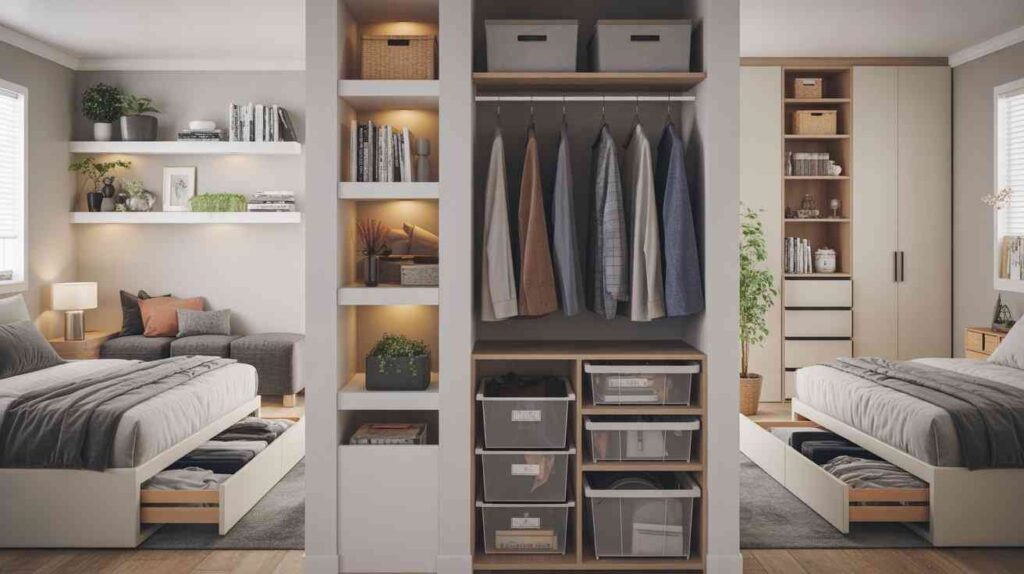
With a limited amount of square footage, effective storage is crucial. To maintain an organized and tidy living space, you need to find clever storage solutions that don’t crowd the rooms.
Built-In Storage
Consider adding built-in shelves or cabinets wherever possible. This is an excellent way to maximize wall space and provide extra storage for books, electronics, or decorative items. You can also use under-stair storage or convert closets into multifunctional spaces by adding hooks, racks, and baskets.
Multifunctional Furniture
Look for furniture that doubles as storage. Ottomans, coffee tables, and TV units with hidden compartments are ideal for stashing away items you don’t need on a daily basis. A storage bench at the foot of the bed can hold bedding or other essentials, while a wall-mounted shelf can store everyday items within easy reach.
Vertical Storage
Utilizing vertical space is key. Tall cabinets, bookshelves, and wall-mounted racks allow you to store items off the floor while keeping the room organized. Even in the kitchen, vertical storage can be maximized by using tall, narrow cabinets or wall-mounted hanging racks.
Final Thoughts
Designing a two-bedroom house is all about finding a balance between style and functionality. With the right planning and thoughtful design choices, you can create a home that feels spacious, comfortable, and personalized. From choosing the right layout to maximizing storage, every detail counts when it comes to making the most of your space.
Ultimately, designing a two-bedroom house should reflect your unique needs and lifestyle. Whether you’re working with a compact urban space or a suburban home, incorporating multi-functional furniture, thoughtful color schemes, and storage solutions can help you create a cozy and efficient living environment. By paying attention to details and embracing the potential of smaller spaces, you can transform your two-bedroom house into a place you’ll love to call home.
FAQ about Design for Two Bedroom House
1. How can I maximize the space in my two-bedroom house?
Maximizing space in a two-bedroom house involves utilizing open-concept layouts, multi-functional furniture, and vertical storage solutions. Open-concept designs combine the living, dining, and kitchen areas to create a flow and eliminate unnecessary walls. Additionally, using furniture that serves multiple purposes, such as sofas that convert into beds or dining tables that double as desks, can significantly enhance space efficiency.
2. What color scheme works best for a small two-bedroom house?
For small spaces, light and neutral colors like whites, beiges, and light grays help reflect light and make the space appear larger. Bold accent colors, such as deep blues or mustard yellow, can be introduced through accent walls, throw pillows, or rugs to add personality without overwhelming the space.
3. How do I make the most of the furniture in a two-bedroom house?
Choose furniture that serves multiple purposes. For example, use ottomans and coffee tables with hidden storage, beds with drawers beneath, and foldable or stackable furniture. This way, your furniture can easily adapt to your changing needs and save valuable space.
4. What is an open-concept layout and how does it help with space maximization?
An open-concept layout eliminates the walls that typically separate the living, dining, and kitchen areas, creating a large, uninterrupted space. This design fosters a sense of openness, allowing natural light to reach all areas, making the entire space feel larger and more airy.
5. Can I have a cozy master bedroom in a two-bedroom house?
Yes, you can create a cozy and relaxing master bedroom by using calming colors like light blues or soft neutrals, investing in comfortable furniture like a quality mattress and bedding, and keeping the décor minimal. You can also maximize space by using built-in wardrobes and under-bed storage.
6. How do I design the second bedroom in a two-bedroom house?
The second bedroom offers flexibility, functioning as a guest room, office, or children’s space depending on your needs. For a guest room, focus on comfort with a soft bed, good lighting, and storage for guest items. If it’s an office, use space-saving furniture like a wall-mounted desk and comfortable chair. For a children’s room, consider playful designs and practical furniture like storage benches or fold-out cribs.
7. What are the best lighting options for a two-bedroom house?
Layered lighting works best in a two-bedroom house. Use a combination of ambient lighting (general lighting), task lighting (focused lighting for reading or working), and accent lighting (to highlight décor or artwork). Also, ensure there is plenty of natural light, and use sheer curtains or blinds to maximize sunlight during the day.
8. How can I keep the second bedroom functional and versatile?
Multifunctional furniture is key. Consider a pull-out sofa, foldable desks, or a convertible guest bed. This allows the room to switch functions easily depending on your needs—whether it’s a guest room, office, or even a home gym.
9. What types of storage solutions are ideal for a small two-bedroom house?
Built-in storage options, such as shelves or cabinets, are ideal for keeping your home organized. Multifunctional furniture with hidden compartments and vertical storage (like wall-mounted shelves or tall cabinets) are excellent ways to maximize storage without sacrificing space.
10. How can I improve the ventilation in my two-bedroom house?
Ensure that each room has enough windows for cross-ventilation. Consider adding ceiling fans to circulate air in smaller rooms that may feel stuffy. Proper airflow is crucial for maintaining a comfortable and fresh living environment.
11. Should I use bold colors in a two-bedroom house?
Bold colors can be used in moderation. Accent walls or small decorative pieces such as throw pillows, rugs, or artwork in deep hues like navy blue or emerald green can add depth and interest. However, be careful not to overwhelm the space with too many dark colors; balance them with light neutrals.
12. What furniture styles work best for a two-bedroom house?
Sleek, low-profile, and minimalist furniture works best in smaller spaces. Opt for furniture that offers functionality without taking up too much visual or physical space. Pieces with legs, such as sofas or coffee tables, allow more of the floor to be visible, helping to create a sense of space.
13. How can I add personality to a small home without overcrowding it?
Personalize your two-bedroom house with carefully selected artwork, plants, and decorative pieces that reflect your style. Choose a few statement pieces rather than overcrowding the space with too many items. This will create visual interest without making the space feel cramped.
14. Is it possible to create a stylish and functional home office in a two-bedroom house?
Yes, you can create a stylish and functional home office in the second bedroom by using space-saving furniture, such as a wall-mounted desk or a compact work desk. Ensure you have adequate storage for office supplies and keep the décor minimal to avoid clutter.
15. Can I have a small dining area in a two-bedroom house?
Yes, you can create a small, efficient dining area by choosing a dining table with a compact design, such as a round or extendable table. Stackable or folding chairs can be stored when not in use, allowing the dining area to remain open for other activities.
ALSO READ
Erpoz: A Complete Business Management Solution for Streamlined Operations
Why The Kellogg Innovation Network Is Key To Global Growth
Tex9 Net Green IT: Leading Sustainable Technology for a Greener Future