Introduction
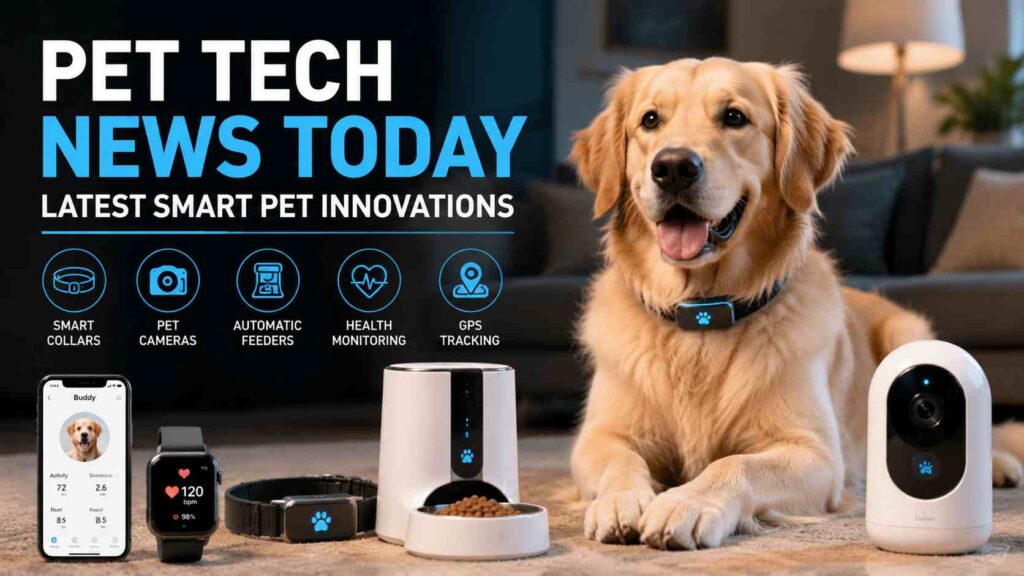
The way we care for pets is changing faster than ever, with artificial intelligence, smart devices, and connected technology reshaping everyday pet ownership. However, many pet owners still struggle to monitor their pets’ health, safety, and needs when they are not always available. Pet tech news today reveals how innovative solutions like smart collars, AI-powered cameras, automated feeders, and wearable trackers are helping solve these challenges. This article explores the latest smart pet innovations, showing how technology can make pet care easier, safer, and more personalized. Discover the trends, devices, and future advancements that are transforming the relationship between pets and technology.
What Is Pet Technology and Why Is It Growing?
Pet technology, commonly known as pet tech, refers to digital products and services designed to improve pet care through advanced technology. These solutions combine hardware, software, artificial intelligence, sensors, and mobile applications to help owners manage different aspects of pet ownership.
Unlike traditional pet accessories, modern smart devices collect information, analyze behavior, and provide useful insights. For example, a normal collar only identifies a pet, but a smart collar can track location, exercise levels, sleeping patterns, and possible health changes.
The pet technology market is expanding because pet owners are becoming more interested in preventive care rather than only reacting to problems after they occur.
Key Reasons Behind Pet Tech Growth
Increasing Pet Ownership Worldwide
More people are adopting pets and treating them as family members. This emotional connection has increased spending on products that improve pet health, comfort, and safety.
Growing Interest in Preventive Healthcare
Technology allows owners to monitor important health indicators continuously. Early detection of unusual behavior or activity changes can encourage faster veterinary attention.
Busy Modern Lifestyles
Many pet owners spend long hours away from home. Smart cameras, automated feeders, and remote monitoring systems help them stay connected with their pets throughout the day.
Advances in Artificial Intelligence
AI has improved the ability of devices to recognize patterns, analyze behavior, and provide personalized recommendations.
Pet Tech News Today: Latest Smart Devices Changing Pet Care
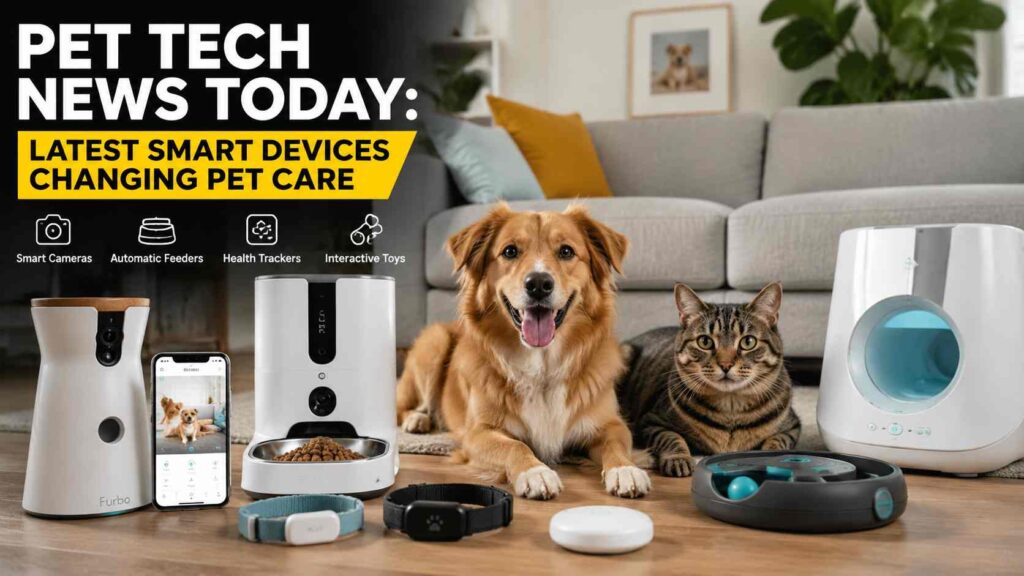
The newest innovations in pet technology focus on making care easier, safer, and more personalized. Several categories are gaining attention among technology companies and pet owners.
AI-Powered Pet Cameras
One of the fastest-growing areas in pet technology is intelligent pet cameras. Traditional cameras allowed owners to watch their pets remotely, but AI-powered versions provide much more functionality.
Modern smart pet cameras can:
- Detect unusual movements
- Recognize pet behavior patterns
- Send activity alerts
- Allow two-way communication
- Provide entertainment features
Some advanced systems can identify whether a pet is sleeping, playing, eating, or showing signs of anxiety.
For owners who worry about separation anxiety, these devices provide reassurance by creating a digital connection between pets and their families.
Smart Collars and Wearable Pet Technology
Smart collars are among the most discussed innovations in pet tech news today because they combine safety tracking with health monitoring.
A modern smart collar may include:
- GPS location tracking
- Activity monitoring
- Heart rate measurement
- Sleep analysis
- Temperature monitoring
- Mobile app integration
How Smart Collars Improve Pet Safety
Lost pets are a major concern for owners. GPS-enabled collars help track an animal’s location and provide real-time updates through smartphone applications.
This technology is especially valuable for pets that frequently explore outdoor environments.
How Smart Collars Support Health Monitoring
Activity data can reveal important information about a pet’s wellbeing. Sudden changes in movement, sleep, or eating patterns may indicate possible health concerns.
While smart collars do not replace professional veterinary diagnosis, they provide additional information that helps owners make better decisions.
AI and Machine Learning in Pet Healthcare
Artificial intelligence is becoming one of the most important technologies in modern pet care.
AI systems can analyze large amounts of behavioral and health data to identify patterns that humans may miss.
Predictive Pet Health Monitoring
Future pet technology is moving toward prediction rather than reaction.
Instead of waiting until a pet becomes visibly sick, AI systems may detect early warning signs through:
- Changes in movement
- Reduced activity
- Sleep disruption
- Eating behavior changes
- Abnormal routines
This approach could help improve early intervention and preventive healthcare.
Personalized Pet Recommendations
AI-powered platforms may eventually provide customized suggestions based on:
- Breed characteristics
- Age
- Weight
- Activity level
- Health history
This creates a more personalized approach to animal care.
Smart Automatic Feeders: A Major Pet Tech Innovation
One of the most practical developments covered in pet tech news today is the rise of smart automatic feeders. These devices are designed to help pet owners maintain consistent feeding schedules while providing better control over nutrition.
Traditional feeders require manual filling and monitoring, but smart feeders use digital technology to automate the process. Many models connect with smartphone applications, allowing owners to schedule meals, adjust portions, and monitor feeding habits remotely.
Benefits of Smart Pet Feeders
Accurate Portion Control
Overfeeding is a common problem among household pets. Smart feeders help control portion sizes by delivering specific amounts of food according to a planned schedule.
This feature can be especially useful for pets that require weight management programs.
Remote Feeding Management
Pet owners can manage feeding routines even when they are away from home. Through mobile applications, they can:
- Change feeding times
- Adjust food portions
- Receive feeding notifications
- Monitor eating activity
This offers greater convenience for individuals managing demanding schedules.
Supporting Pet Health
Consistent feeding routines are important for maintaining healthy digestion and preventing obesity. Smart feeders help create structured habits that support overall wellness.
Smart Pet Apps and Digital Health Platforms
Another emerging aspect of modern pet technology involves mobile apps that help owners efficiently monitor and manage their pets’ needs.
These platforms act as digital assistants by helping owners organize different aspects of pet care in one place.
Features of Modern Pet Technology Apps
Many pet applications now include:
- Veterinary appointment reminders
- Vaccination tracking
- Medication schedules
- Activity records
- Nutrition monitoring
- Health reports
Instead of relying on memory or physical records, owners can maintain complete digital profiles for their pets.
Connecting Pet Owners With Veterinarians
Some advanced platforms are introducing remote veterinary services. These systems allow owners to communicate with professionals through online consultations.
Although digital platforms cannot completely replace physical examinations, they can provide faster access to guidance and support.
Robotic Pet Technology: The Future of Automated Care
Robotics is another emerging trend frequently discussed in pet tech news today. While still developing, robotic solutions are creating new possibilities for entertainment, interaction, and assistance.
Robotic Toys for Mental Stimulation
Interactive robotic toys can keep pets engaged when owners are unavailable.
These devices may include:
- Automatic movement
- Obstacle detection
- Remote control features
- Interactive games
Mental stimulation is important for preventing boredom, especially for indoor pets.
Robotic Companions
Future developments may include more advanced robotic companions capable of responding to pet behavior.
These systems could potentially:
- Provide interaction
- Encourage movement
- Reduce loneliness
- Support elderly pet owners
However, robotics is expected to complement human interaction rather than replace the relationship between pets and owners.
Internet of Things (IoT) and Connected Pet Homes
The Internet of Things is expanding beyond traditional smart homes and entering the pet care industry.
A connected pet environment allows multiple devices to communicate with each other and provide a complete monitoring system.
Examples of IoT-Based Pet Solutions
A smart pet home may include:
- Connected feeders
- Smart water dispensers
- Environmental sensors
- Health monitoring devices
- Automated doors
These devices work together to create a safer and more comfortable environment.
How IoT Improves Pet Care
IoT technology allows continuous monitoring of important conditions, including:
- Temperature
- Activity
- Food consumption
- Location
- Daily routines
This information helps owners understand their pets better and make informed decisions.
Latest Pet Tech News Today: Wearable Health Monitoring
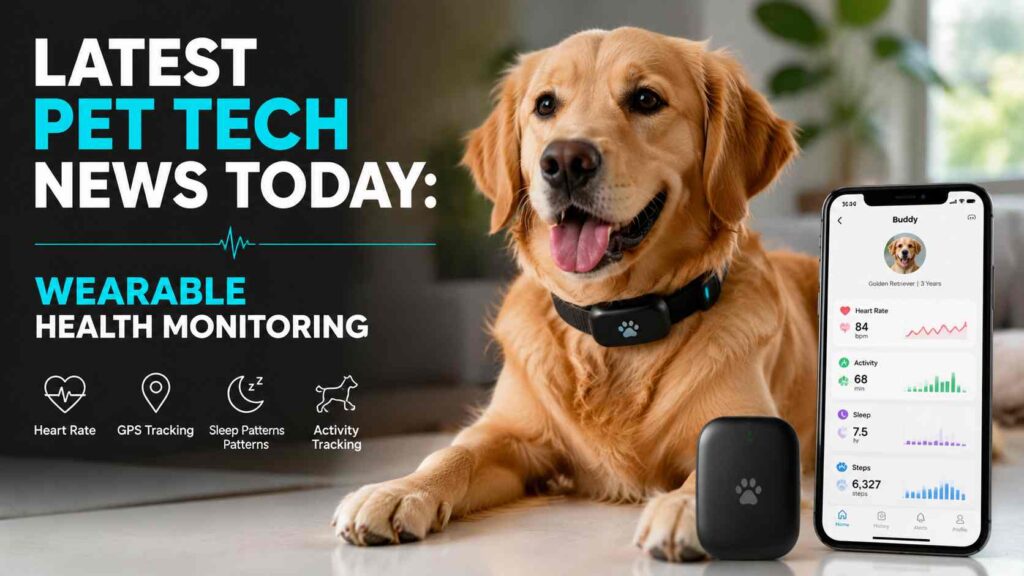
The use of wearable technology has moved beyond people, with innovative devices now being developed for pets as well. Pets are becoming part of the wearable technology ecosystem through advanced tracking devices.
These devices collect valuable information about physical activity and behavior.
Important Data Collected by Wearable Devices
Modern pet wearables can measure:
Activity Levels
Tracking movement helps determine whether a pet is receiving enough exercise.
Sleep Patterns
Changes in sleeping habits may indicate stress, discomfort, or health issues.
Location History
GPS technology provides information about where pets spend their time.
Behavioral Patterns
Long-term data analysis can reveal changes in normal routines.
Benefits of Using Advanced Pet Technology
The increasing popularity of pet technology is not only about convenience. These innovations provide several practical advantages.
Better Safety and Security
GPS trackers and smart monitoring systems reduce the risk of losing pets.
Owners can receive instant alerts if their animals leave a defined area.
Improved Health Awareness
Technology enables the detection of subtle changes that might otherwise remain unnoticed.
For example, reduced activity or unusual sleeping patterns can encourage owners to investigate possible problems.
Greater Convenience for Owners
Automated systems reduce the daily workload associated with pet care.
Owners can manage feeding, monitoring, and scheduling more efficiently.
Stronger Human-Pet Connection
Digital tools allow owners to stay connected with their pets even during work hours or travel.
Smart cameras and interactive devices provide opportunities for communication and engagement.
Challenges and Limitations of Pet Technology
Although pet tech news today highlights many exciting developments, these technologies also have limitations.
Privacy and Data Security Concerns
Many smart pet devices collect information through connected applications. Like other Internet-connected products, they must be protected against cybersecurity risks.
Manufacturers need strong security systems to protect user information.
Cost Considerations
Advanced pet technology can be expensive compared with traditional pet products.
High-end devices with AI features, health monitoring, and connectivity options may not be affordable for every pet owner.
Technology Cannot Replace Veterinary Care
Smart devices provide useful information, but they should not be considered a replacement for professional veterinary services.
A device can detect patterns, but only qualified professionals can provide medical diagnosis and treatment.
Device Accuracy Issues
Technology is improving rapidly, but some devices may produce inaccurate results depending on design quality, sensor performance, and usage conditions.
Future Trends in Pet Technology
The future of pet technology appears closely connected with artificial intelligence, automation, and personalized healthcare.
Based on current developments discussed in pet tech news today, several trends are expected to shape the next generation of pet care.
AI Veterinary Assistants
Artificial intelligence may become a valuable support tool for veterinarians and pet owners.
Future AI systems could analyze:
- Health records
- Behavioral information
- Activity data
- Symptoms reported by owners
These tools could help professionals make faster and more informed decisions.
Advanced Predictive Healthcare
Future pet technology may focus heavily on prediction.
Instead of identifying problems after symptoms appear, AI systems may recognize early indicators of disease risk.
This could lead to more preventive healthcare approaches.
Personalized Nutrition Technology
Smart feeding systems may become more advanced by analyzing individual pet requirements.
Future systems could consider:
- Age
- Breed
- Weight
- Activity level
- Medical history
and automatically recommend suitable nutrition plans.
More Human-Like Pet Interaction
Future devices may provide more natural communication between humans and pets.
AI-powered systems could better understand:
- Animal sounds
- Body language
- Behavioral signals
This may help owners understand their pets on a deeper level.
Is Investing in Pet Technology Worth It?
The value of pet technology depends on the needs of each pet and owner.
For some households, a simple GPS tracker may provide enough safety benefits. Others may benefit from advanced health monitoring systems, especially when managing older pets or animals with specific health concerns.
Before purchasing a smart pet device, owners should consider:
- Does it solve a real problem?
- Is the technology reliable?
- Are maintenance costs reasonable?
- Does it improve pet wellbeing?
The best pet technology is not necessarily the most expensive device. It is the solution that creates meaningful improvements in safety, health, and daily care.
Final Thoughts
Pet tech news today shows that technology is transforming the relationship between humans and animals. Smart collars, AI cameras, automated feeders, wearable trackers, and connected pet systems are making pet care more efficient and informed.
As artificial intelligence and IoT solutions evolve, pet owners will benefit from increasingly customized technologies designed to improve animal health monitoring and safety. However, technology should always work alongside responsible ownership and professional veterinary care.
Pet tech news today represents more than just new gadgets. It reflects a larger movement toward smarter, safer, and more connected pet lifestyles. The future of pet care will likely combine human compassion with advanced technology to create better experiences for both pets and their owners.
FAQs:
1. What is pet tech news today about?
Pet tech news today covers the latest developments in technology designed for pets, including AI devices, smart collars, health trackers, automated feeders, and digital pet care solutions.
2. What are the latest pet technology innovations?
The latest innovations include AI-powered cameras, GPS tracking collars, smart feeders, wearable health monitors, and connected pet applications.
3. How does AI help improve pet care?
AI helps analyze pet behavior, monitor health patterns, detect unusual activities, and provide personalized recommendations.
4. Are smart collars safe for pets?
Most smart collars are designed to be safe when properly fitted and used according to manufacturer instructions. Owners should choose comfortable and lightweight options.
5. Can pet technology replace veterinarians?
No. Pet technology can support monitoring and provide useful information, but it cannot replace professional veterinary diagnosis and treatment.
6. What is the most useful smart device for pets?
The most useful device depends on the pet’s needs. GPS trackers, smart feeders, and health monitoring collars are among the most popular options.
7. How do smart feeders work?
Smart feeders use programmable schedules and digital controls to automatically deliver specific amounts of food at selected times.
8. Can pet cameras reduce separation anxiety?
Pet cameras can help owners monitor and communicate with pets, which may provide reassurance and reduce stress caused by separation.
9. What is the future of pet technology?
The future includes advanced AI health monitoring, predictive healthcare systems, personalized nutrition, and smarter connected pet environments.
10. Is pet technology expensive?
Pet technology prices vary. Basic tracking devices are affordable, while advanced AI-powered systems may require higher investment.
11. Are pet wearables accurate?
Accuracy is influenced by the quality of the device, sensor performance, and how the technology is used. They provide helpful information but should not be considered medical diagnostic tools.
12. Why is pet technology becoming popular?
Pet technology continues to expand as owners look for innovative solutions that improve animal health, safety, convenience, and daily interaction.
Continue Reading
How to Optimize Gaming Mouse Settings for Accuracy