
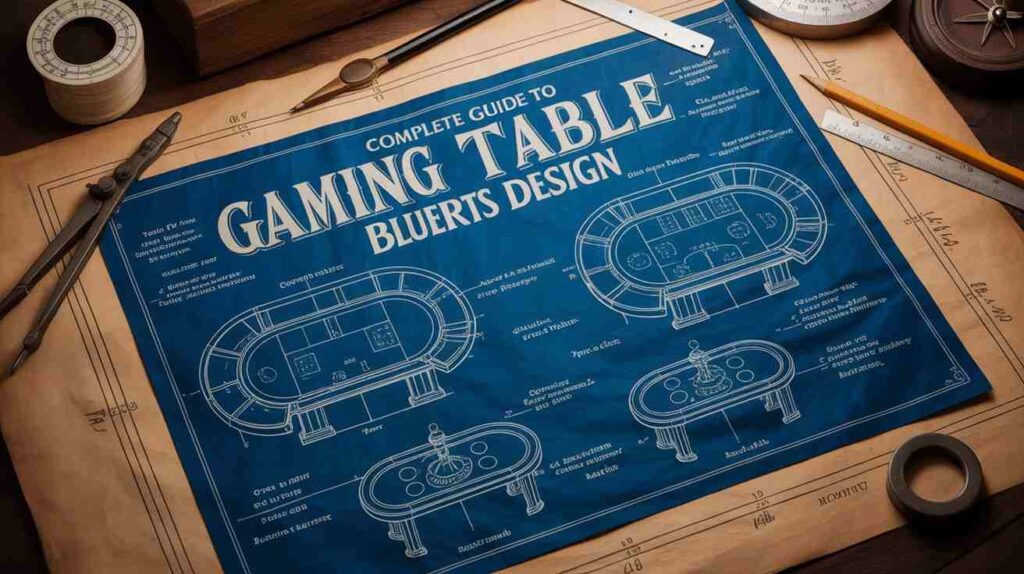
If you are searching for detailed gaming table blueprints, you are already on the right path toward building a customized gaming experience that combines comfort, functionality, and style. Whether you love board games, card games, tabletop RPGs, or miniature wargaming, having a dedicated gaming table transforms ordinary sessions into immersive experiences. The right blueprint not only ensures accurate measurements but also helps you plan storage, durability, and aesthetic appeal before you begin construction.
Gaming tables are no longer just flat surfaces. Modern designs include recessed play areas, cup holders, LED lighting, hidden compartments, removable tops, charging ports, and premium finishes. With proper planning and a well-drafted blueprint, you can build a table that fits your space perfectly while staying within budget.
In this comprehensive guide, we will cover everything you need to know about gaming table blueprints, including dimensions, materials, tools, design variations, cost considerations, step-by-step planning, and expert tips to ensure your project succeeds.
Why Gaming Table Blueprints Matter
Before picking up tools or buying materials, a clear blueprint is essential. Many DIY builders skip proper planning and later face alignment issues, unstable frames, uneven surfaces, or wasted materials. A detailed blueprint prevents these problems.
A well-designed blueprint helps you visualize the final product. It defines the length, width, height, play area depth, storage compartments, and structural supports. It also outlines joinery methods and assembly sequences, making construction smoother and more efficient.
Blueprints also allow you to calculate material costs accurately. You can estimate wood requirements, hardware needs, and finishing supplies in advance. This prevents overspending and reduces waste.
Most importantly, gaming table blueprints ensure that your table is comfortable for players. Proper height and leg spacing matter more than many beginners realize. If players cannot sit comfortably for long sessions, the table will not serve its purpose.
Standard Dimensions for Gaming Tables
While custom sizes are common, there are some recommended standard dimensions that work well for most gaming setups.
A typical gaming table ranges between 60 to 72 inches in length and 36 to 44 inches in width. This dimension provides ample space for four to six participants. For larger groups, tables may extend to 84 inches or more.
The ideal height is usually between 29 and 31 inches. This ensures comfortable seating with standard dining chairs. If you plan to use bar stools, you may need a taller design.
For recessed play areas, a depth of 2 to 4 inches is common. This prevents dice from rolling off and keeps game components contained. However, deeper recesses may make it harder for players to reach pieces in the center.
Blueprints should clearly specify these measurements, including internal play space dimensions and outer frame thickness.
Types of Gaming Table Blueprints
Different gamers require different features. Choosing the right blueprint depends on your preferred games and available space.
Recessed Play Area Blueprint
This design includes a lowered central section surrounded by a raised rail. It is ideal for board games and RPG sessions. The raised rail often includes cup holders and player trays.
Convertible Dining Table Blueprint
This is one of the most popular modern designs. The gaming area remains recessed, but removable panels cover it, transforming the table into a dining table when not in use. This design is perfect for smaller homes.
Folding Gaming Table Blueprint
For those with limited space, folding designs allow easy storage. However, stability must be carefully planned in the blueprint to avoid wobbling.
Modular Gaming Table Blueprint
Modular designs allow sections to be rearranged or extended. These are ideal for large campaigns or miniature wargaming.
LED-Integrated Blueprint
Some modern gaming tables include LED strips under the rail for ambient lighting. Blueprints for these tables must include channels for wiring and space for power connections.
Materials Required for Gaming Tables
The quality of your materials significantly affects durability and aesthetics. A proper blueprint specifies the type and thickness of materials.
Hardwood such as oak, maple, or walnut offers strength and a premium appearance. However, it is more expensive. Pine is affordable and easy to work with but may dent easily.
Plywood is commonly used for internal support and recessed areas. High-quality plywood prevents warping.
For the play surface, many builders use neoprene mats or speed cloth. These materials provide a smooth surface for cards and dice.
Hardware includes screws, wood glue, brackets, hinges (for convertible tops), and cup holder inserts. Blueprint details must specify hardware placement to ensure stability.
Finishing materials include wood stain, polyurethane coating, sanding paper, and sealants.
Tools Needed for Construction
Even the best gaming table blueprints cannot compensate for improper tools. Essential tools include a circular saw or table saw for accurate cuts, a drill for assembly, clamps for securing joints, a measuring tape, a level, and sanding tools.
Advanced builders may use routers to create decorative edges or channels for LED strips. A blueprint should mention where routing is required.
Precision is key. Even minor measurement errors can affect alignment and stability.
Step-by-Step Planning Process
Creating or following gaming table blueprints involves several stages.
First, measure your available space. Consider room layout, door clearance, and walking space around the table.
Second, determine seating capacity. Plan at least 24 inches of width per player for comfort.
Third, select the table style. Decide whether you want storage compartments, a removable top, or built-in features.
Fourth, create detailed sketches or digital drawings. Include top view, side view, and exploded diagrams.
Fifth, list all materials and tools required. Calculate costs and set a realistic budget.
Sixth, plan the assembly sequence carefully. Structural frames should be built before installing recessed panels or rails.
Seventh, allow time for sanding and finishing. Proper finishing enhances durability and appearance.
Budget Considerations
Gaming table projects vary greatly in cost. A basic pine table may cost between $300 and $600. Mid-range hardwood builds typically range from $800 to $1500. Premium custom tables can exceed $3000.
Blueprints help reduce unnecessary expenses. They ensure accurate cutting, prevent waste, and avoid structural redesign mid-project.
Consider long-term durability when budgeting. Spending slightly more on quality wood may save repair costs later.
Customization Ideas
One of the biggest advantages of gaming table blueprints is customization. You can customize the design to reflect your individual taste.
Built-in cup holders prevent spills. USB charging ports keep devices powered during long sessions. Player drawers store dice and cards neatly.
Magnetic rail systems allow interchangeable accessories. Hidden compartments keep valuable components secure.
Engraved logos or themed designs add personality. Some builders add felt lining or padded rails for extra comfort.
Common Mistakes to Avoid
Many beginners rush construction without reviewing their gaming table blueprints thoroughly.
One common mistake is ignoring structural reinforcement. Long tables require center support to prevent sagging.
Another mistake is choosing the wrong finish. Some finishes make surfaces too slippery or sticky for card play.
Improper leg spacing can restrict seating comfort. Blueprint measurements must ensure adequate legroom.
Skipping sanding steps results in rough surfaces. Attention to detail makes a major difference.
Benefits of Building Your Own Gaming Table
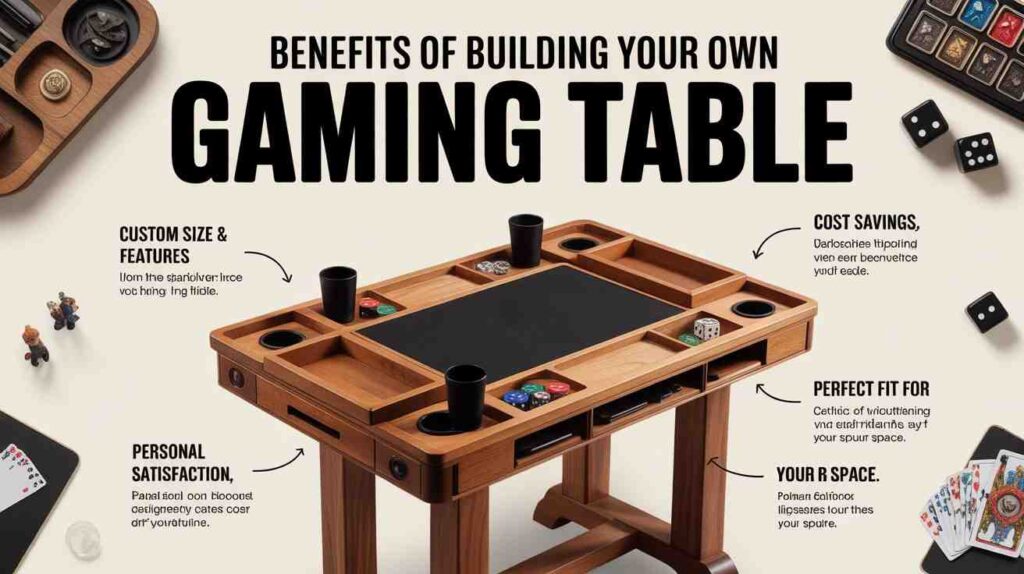
Building your own table offers unmatched satisfaction. You gain complete control over size, features, and design.
Custom tables enhance social interaction. They create a dedicated space for friends and family to gather.
DIY builds are often more cost-effective than buying high-end commercial gaming tables.
Most importantly, a well-built gaming table becomes a centerpiece of your home entertainment space.
Maintaining Your Gaming Table
Once built, proper maintenance extends its lifespan.
Keep the area clean by removing dust and debris on a regular basis. Use coasters even if cup holders are installed.
Avoid placing heavy objects on removable panels.
Reapply protective coating every few years to maintain finish quality.
Store the table in a stable environment to prevent warping caused by humidity changes.
Final Thoughts on Gaming Table Blueprints
Creating a custom gaming table is far more than a woodworking project — it is a long-term investment in memorable experiences, creativity, and connection. Well-prepared gaming table blueprints serve as the foundation for success, guiding you through dimensions, materials, structure, and design features with clarity and precision. When you take the time to plan carefully, you minimize costly mistakes, improve structural durability, and ensure that every player enjoys comfort during long gaming sessions.
From selecting the right wood and calculating accurate measurements to integrating recessed play areas, LED lighting, and convertible tops, every detail begins with a solid blueprint. Whether you prefer a simple, budget-friendly design or a fully customized premium build, preparation is what transforms an idea into a functional and visually stunning centerpiece. By following a structured plan, focusing on quality craftsmanship, and maintaining your table properly, you can create a gaming space that delivers enjoyment for years to come.
Frequently Asked Questions (FAQs) about gaming table blueprints
1. What are gaming table blueprints?
Gaming table blueprints are detailed construction plans that outline the dimensions, materials, structure, and assembly process needed to build a custom gaming table. They act as a step-by-step guide to ensure accuracy, stability, and functionality.
2. Why are gaming table blueprints important before building?
Blueprints help prevent costly mistakes, misalignment issues, and material waste. They allow you to plan measurements, calculate costs, and visualize the final design before starting construction.
3. What is the standard size for a gaming table?
A typical gaming table measures between 60–72 inches long and 36–44 inches wide, comfortably seating four to six players. Larger tables may extend to 84 inches or more for bigger groups.
4. How deep should a recessed play area be?
Most recessed play areas are between 2–4 inches deep. This keeps dice and game pieces contained while still allowing players to comfortably reach the center.
5. What type of wood is best for building a gaming table?
Hardwoods like oak, maple, or walnut provide durability and a premium finish. Pine is more affordable and easier to work with but may not be as resistant to dents.
6. Can I build a gaming table that doubles as a dining table?
Yes. Convertible gaming table blueprints include removable panels that cover the recessed area, transforming the table into a standard dining surface when not in use.
7. What tools are required to build a gaming table?
Basic tools include a circular or table saw, drill, clamps, measuring tape, level, and sanding tools. Advanced features like LED lighting may require routing tools.
8. How much does it cost to build a gaming table?
Costs vary based on materials and design. A basic build may cost $300–$600, while mid-range hardwood designs range from $800–$1500. Premium custom builds can exceed $3000.
9. Can I add LED lighting or USB ports?
Yes. Many modern gaming table blueprints include channels for LED strips and space for power integration, allowing for ambient lighting and device charging.
10. How do I prevent my table from sagging over time?
To prevent sagging, include center support beams and sturdy leg structures in your blueprint design. Structural reinforcement is especially important for longer tables.
11. What surface material is best for gameplay?
Neoprene mats or speed cloth are popular choices because they provide a smooth surface for cards and dice while protecting the wood underneath.
12. How long does it take to build a gaming table?
Construction time depends on complexity. Simple designs may take a weekend, while advanced custom builds can take several weeks, especially when factoring in finishing time.
13. Do I need professional woodworking skills?
Basic woodworking skills are sufficient for simple designs. However, advanced features like modular sections or integrated electronics require more experience.
14. How should I maintain my gaming table?
Regularly clean the surface, avoid excess moisture, use coasters, and reapply protective finish every few years. Proper maintenance ensures long-term durability and appearance.
15. Can I customize the design to match my gaming style?
Absolutely. Gaming table blueprints allow customization such as cup holders, player trays, storage drawers, magnetic rails, engraved designs, and themed finishes to suit your personal preferences.
ALSO READ
Safe CPU Temps While Gaming Ultimate Guide
Sruffer DB: Smart Filtering For Better Results
Furry Institute of Technology and the Future Education