
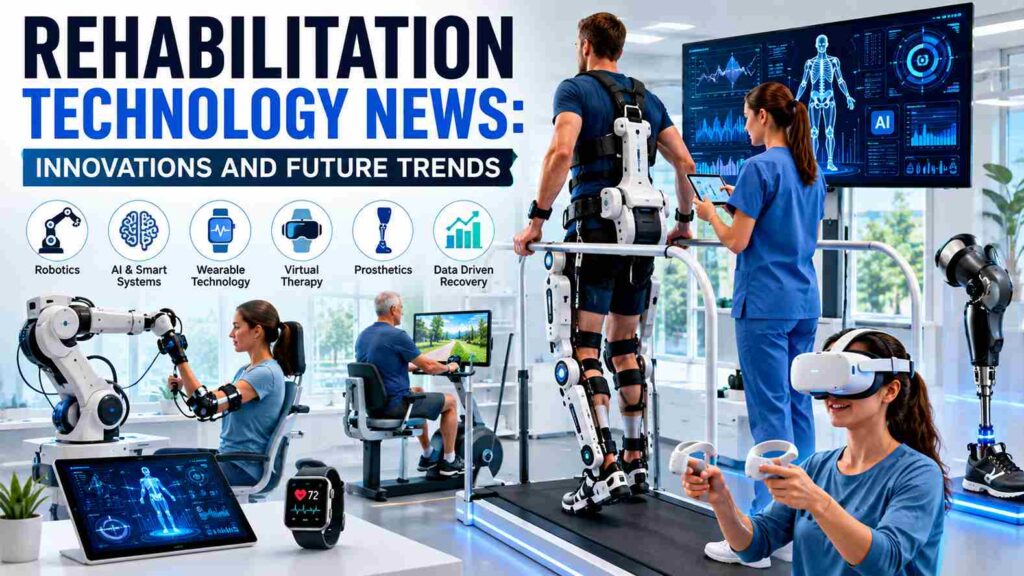
Introduction
Breakthrough innovations are transforming how patients recover from injuries, disabilities, and neurological conditions. However, with rapid advancements in AI, robotics, wearable devices, and smart rehabilitation tools, it can be difficult to keep up with the latest developments and understand which technologies are truly making a difference. That’s where rehabilitation technology news becomes essential.
By staying informed about emerging innovations, healthcare professionals, patients, and caregivers can discover more effective recovery solutions and future treatment possibilities. In this article, you’ll explore the latest trends, groundbreaking technologies, and future advancements shaping modern rehabilitation, helping you better understand how innovation is improving patient outcomes and redefining healthcare recovery.
What Is Rehabilitation Technology?
Rehabilitation technology refers to devices, software, equipment, and systems designed to assist individuals in recovering lost abilities or improving functional performance. These technologies support people who have experienced injuries, neurological disorders, physical disabilities, surgeries, or age-related mobility challenges.
The primary purpose of rehabilitation technology is to help individuals regain independence and participate more fully in daily activities. Depending on a patient’s needs, rehabilitation technologies may focus on mobility, communication, cognitive function, sensory enhancement, or physical recovery.
Examples of rehabilitation technology include wheelchairs, prosthetic limbs, communication devices, robotic therapy systems, wearable sensors, and virtual reality rehabilitation platforms. While some solutions have existed for decades, recent technological breakthroughs have dramatically expanded their capabilities and effectiveness.
Modern rehabilitation technology combines engineering, healthcare, artificial intelligence, and data analytics to create personalized recovery experiences. Instead of relying solely on standardized treatment approaches, healthcare providers can now use technology to monitor progress in real time and adapt therapy plans according to patient performance.
The growing adoption of rehabilitation technology reflects a broader shift toward patient-centered healthcare. By empowering individuals with innovative tools and resources, healthcare providers can improve recovery outcomes while enhancing quality of life.
Rehabilitation technology is particularly valuable for patients recovering from strokes, spinal cord injuries, traumatic brain injuries, orthopedic surgeries, and neurological disorders such as Parkinson’s disease or multiple sclerosis. These individuals often require long-term therapy and support, making advanced rehabilitation solutions increasingly important.
As healthcare systems continue to evolve, rehabilitation technology is expected to play an even greater role in helping patients achieve successful recoveries and maintain long-term independence.
Why Rehabilitation Technology News Matters
The rapid pace of innovation within healthcare makes it essential for patients, caregivers, and medical professionals to stay informed about rehabilitation technology news. New devices, treatment approaches, and digital solutions are constantly emerging, creating opportunities to improve recovery outcomes and enhance patient care.
For healthcare providers, staying updated on industry developments helps ensure they are using the most effective tools and techniques available. Access to the latest information enables therapists, physicians, and rehabilitation specialists to adopt evidence-based technologies that support better patient outcomes.
Patients also benefit significantly from understanding current rehabilitation trends. Many individuals are unaware of the advanced recovery options available to them. Learning about innovative therapies and technologies may help patients discover treatments that improve mobility, communication, and overall quality of life.
Healthcare organizations use rehabilitation technology news to evaluate potential investments and identify emerging opportunities. Hospitals and rehabilitation centers frequently monitor technological developments to determine which solutions can enhance patient care and operational efficiency.
Researchers depend on industry updates to track advancements, identify knowledge gaps, and explore new areas for investigation. Collaboration between researchers, healthcare providers, and technology developers often leads to groundbreaking innovations that benefit patients worldwide.
Insurance providers and policymakers also follow rehabilitation technology developments closely. As new technologies demonstrate improved outcomes and cost-effectiveness, they may influence healthcare policies, reimbursement strategies, and funding decisions.
The rising relevance of rehabilitation technology news highlights technology’s expanding influence on modern healthcare services. Staying informed helps stakeholders make better decisions while supporting the continued advancement of patient-centered rehabilitation solutions.
Latest Trends in Rehabilitation Technology
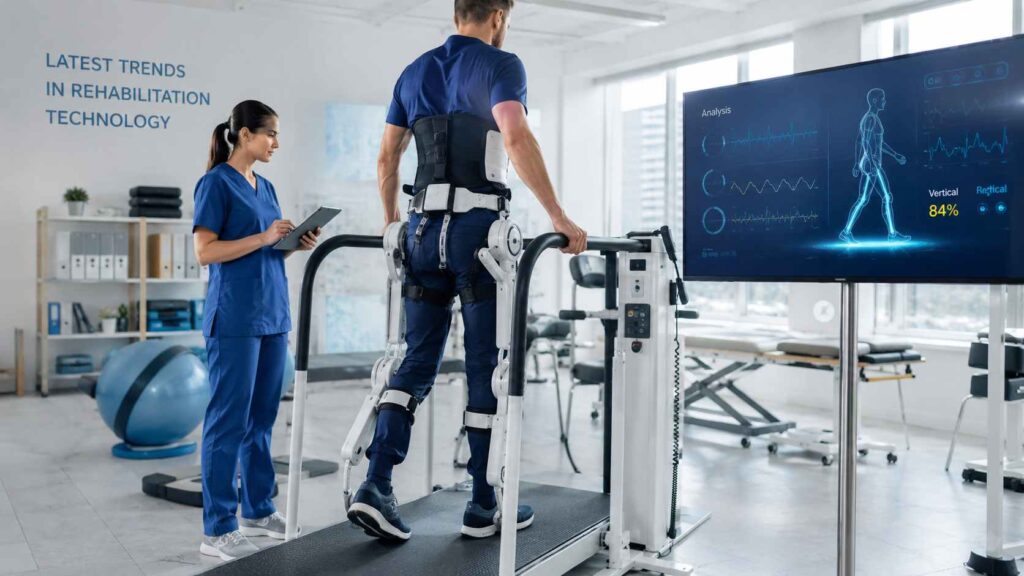
Several important trends are currently shaping the rehabilitation technology landscape. These developments are transforming how healthcare providers deliver treatment and how patients experience recovery.
One of the most significant trends is personalized rehabilitation. Traditional therapy programs often follow generalized treatment plans, but modern technologies allow healthcare providers to tailor interventions according to each patient’s unique needs and progress. Data collected through sensors, wearable devices, and digital platforms enables therapists to make informed adjustments throughout the recovery process.
Artificial intelligence is another major trend influencing rehabilitation technology. AI-powered systems analyze patient data to identify recovery patterns, predict outcomes, and recommend personalized treatment strategies. These capabilities help healthcare providers optimize therapy programs and improve overall efficiency.
Remote rehabilitation services have also gained significant popularity. Tele-rehabilitation allows patients to receive professional guidance and monitoring without visiting healthcare facilities frequently. This approach improves accessibility for individuals living in rural areas or facing mobility challenges.
Wearable technology continues to expand across rehabilitation settings. Smart sensors, fitness trackers, and motion-monitoring devices provide continuous insights into patient performance. These tools help healthcare providers assess progress and identify potential issues before they become serious problems.
Gamification is another emerging trend that improves patient engagement. Rehabilitation programs increasingly incorporate game-like elements to make therapy more enjoyable and motivating. Patients often demonstrate higher participation rates when therapy activities feel interactive and rewarding.
Cloud-based rehabilitation platforms are also transforming healthcare delivery. These systems allow therapists, physicians, and patients to access treatment information from virtually anywhere. Improved collaboration and communication contribute to more coordinated care and better outcomes.
Data-driven healthcare remains a central focus within rehabilitation technology. By collecting and analyzing large amounts of information, healthcare organizations can identify best practices, improve treatment protocols, and support evidence-based decision-making.
As these trends continue to evolve, rehabilitation technology is becoming more personalized, accessible, and effective than ever before.
Robotic Devices Transforming Rehabilitation
Robotics represents one of the most exciting and impactful areas of rehabilitation technology. Robotic systems are helping patients regain mobility, improve strength, and recover motor function through highly controlled and repetitive therapeutic exercises.
One of the most recognized innovations is the robotic exoskeleton. These wearable devices support movement and assist individuals with walking and mobility challenges. Exoskeletons are particularly beneficial for patients recovering from spinal cord injuries, strokes, and neurological disorders that affect movement.
By providing mechanical assistance during walking exercises, exoskeletons help patients practice proper movement patterns while reducing physical strain. This repetitive training supports neuroplasticity, the brain’s ability to form new neural connections and adapt following injury.
Upper-limb rehabilitation robots are another important development. These devices assist patients recovering from strokes and neurological injuries by guiding arm and hand movements during therapy sessions. Consistent repetition helps strengthen muscles and improve motor control over time.
Robotic gait-training systems are increasingly being adopted by rehabilitation centers to support walking recovery. These machines provide controlled support while monitoring patient performance. Therapists can adjust settings to match individual recovery needs, creating highly personalized treatment experiences.
Robotic rehabilitation devices also generate valuable data during therapy sessions. Information regarding movement quality, strength, speed, and endurance allows healthcare providers to track progress objectively and make informed treatment decisions.
Beyond physical recovery, robotics contributes to greater therapy consistency. Unlike manual exercises that may vary between sessions, robotic systems deliver precise and repeatable movements that support more standardized rehabilitation outcomes.
Researchers continue to develop next-generation robotic technologies that are lighter, more adaptable, and increasingly affordable. Future robotic rehabilitation devices may incorporate artificial intelligence, allowing them to adjust therapy automatically based on patient performance and recovery patterns.
The growing adoption of robotics demonstrates how advanced technology can complement traditional rehabilitation methods and create new opportunities for patient recovery.
AI Innovations in Patient Recovery
Artificial intelligence is becoming one of the most influential technologies in modern rehabilitation. By analyzing large amounts of patient data, AI systems help healthcare professionals make better decisions, create personalized treatment plans, and improve recovery outcomes. As a result, many recent rehabilitation technology news reports focus on the growing role of AI in patient care.
One of the biggest advantages of artificial intelligence is its ability to identify patterns that may not be immediately visible to healthcare providers. AI-powered platforms can evaluate movement data, therapy performance, and recovery milestones to determine whether a patient is progressing as expected. This information helps therapists adjust treatment programs quickly and effectively.
Machine learning algorithms are also being used to predict recovery timelines. By comparing a patient’s condition with data from similar cases, AI systems can estimate expected progress and identify potential challenges. This allows healthcare providers to intervene early when recovery is slower than anticipated.
Virtual rehabilitation assistants powered by artificial intelligence are becoming increasingly common. These digital tools provide reminders, exercise instructions, and motivational support to patients throughout their recovery journey. Such assistance helps improve treatment adherence and encourages patients to remain engaged with their rehabilitation programs.
AI is also improving clinical efficiency by reducing administrative tasks. Automated documentation, progress tracking, and data analysis allow healthcare professionals to spend more time focusing on patient care. As artificial intelligence continues to evolve, its impact on rehabilitation technology is expected to expand significantly.
Wearable Technology in Modern Rehabilitation
Wearable technology has become an essential part of modern rehabilitation programs. These devices provide continuous monitoring and valuable insights that help healthcare providers understand patient progress more accurately.
Many wearable rehabilitation devices include sensors that track movement, balance, posture, walking patterns, and physical activity levels. This information helps therapists evaluate recovery progress and identify areas that require additional attention. Unlike traditional assessments conducted during clinic visits, wearable devices provide ongoing data throughout daily activities.
Patients recovering from orthopedic surgeries often benefit from wearable monitoring systems. These devices can detect whether exercises are being performed correctly and provide feedback that encourages proper movement patterns. This reduces the risk of complications and supports safer recovery.
Wearable technology also plays an important role in remote rehabilitation. Healthcare providers can monitor patient performance from a distance and make treatment recommendations without requiring frequent in-person appointments. This approach improves accessibility for individuals who live far from rehabilitation centers or have limited mobility.
Smart rehabilitation wearables often include mobile applications that display progress metrics and therapy goals. These features increase patient motivation by helping individuals visualize their improvements over time. Seeing measurable progress can encourage continued participation in rehabilitation programs.
As sensor technology advances, wearable devices are becoming smaller, more comfortable, and more accurate. Future developments are expected to provide even greater insights into patient recovery while supporting more personalized rehabilitation experiences.
Advances in Prosthetics and Assistive Solutions
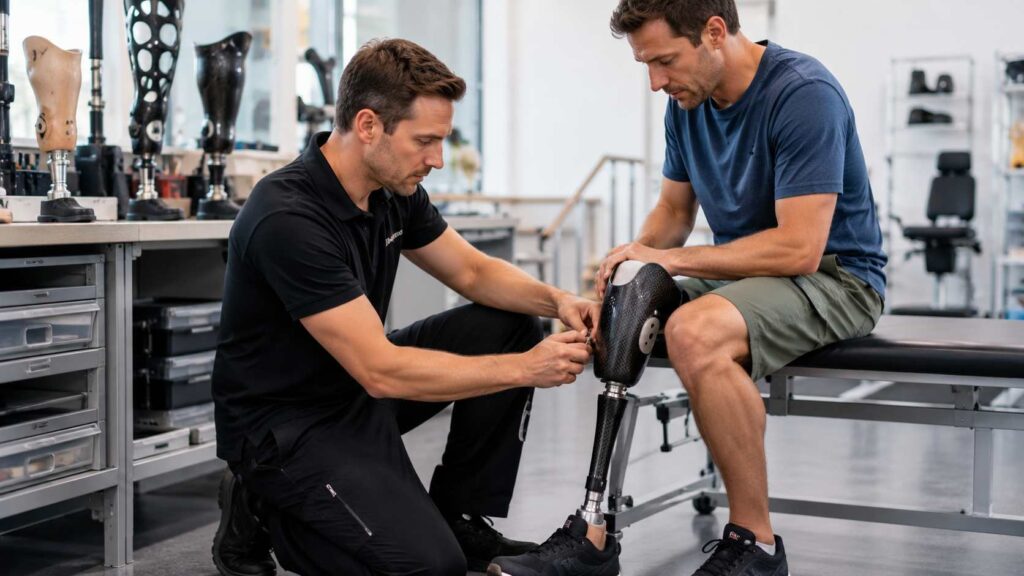
The field of prosthetics has experienced remarkable transformation in recent years. Modern prosthetic devices offer improved functionality, comfort, and adaptability, allowing individuals to regain independence and participate more fully in daily life.
Traditional prosthetic limbs often required significant physical effort and offered limited movement capabilities. Today’s smart prosthetics incorporate advanced sensors, microprocessors, and artificial intelligence to provide more natural and responsive movement. These innovations help users perform activities with greater confidence and control.
Some advanced prosthetic systems can detect muscle signals and translate them into movement commands. This technology allows users to control prosthetic limbs more intuitively, creating a more seamless connection between the individual and the device.
Researchers are also exploring brain-computer interface technology, which could revolutionize prosthetic control in the future. These systems aim to allow individuals to operate prosthetic devices directly through neural signals generated by the brain. While still under development, this technology holds enormous potential for improving mobility and independence.
Assistive technology extends beyond prosthetic limbs. Modern rehabilitation solutions include communication devices, mobility aids, adaptive computer systems, hearing enhancement tools, and smart home technologies. These innovations help individuals overcome physical and cognitive challenges while improving quality of life.
Advances in 3D printing are making prosthetic devices more affordable and accessible. Customized prosthetics can now be produced faster and at lower costs, allowing more patients to benefit from advanced rehabilitation technologies.
As innovation continues, prosthetic and assistive technologies are expected to become increasingly sophisticated, helping individuals achieve greater levels of independence and functionality.
Virtual Reality and Augmented Reality Therapies
Virtual reality and augmented reality are transforming rehabilitation by creating immersive and engaging therapy experiences. These technologies provide innovative ways to support physical, cognitive, and neurological recovery while improving patient motivation.
Virtual reality places patients inside computer-generated environments where they can perform therapeutic activities in a safe and controlled setting. These environments simulate real-world tasks and challenges, allowing patients to practice movements and skills without physical risks.
Stroke rehabilitation programs frequently use virtual reality exercises to improve motor function and coordination. Patients may interact with virtual objects, complete movement-based games, or navigate simulated environments designed to encourage recovery. These activities often feel more engaging than traditional therapy exercises.
Augmented reality enhances the physical environment by overlaying digital information onto real-world surroundings. Therapists use AR systems to provide visual guidance during exercises, helping patients understand proper movement techniques and improve performance.
One of the greatest benefits of immersive rehabilitation technologies is increased patient engagement. Traditional rehabilitation can sometimes feel repetitive and physically demanding. Virtual and augmented reality solutions make therapy more interactive, encouraging patients to participate consistently and enthusiastically.
These technologies are also being used for cognitive rehabilitation. Patients recovering from traumatic brain injuries or neurological conditions can engage in activities that improve memory, attention, decision-making, and problem-solving abilities.
As hardware becomes more affordable and software continues to improve, virtual reality and augmented reality are expected to become standard components of many rehabilitation programs worldwide.
Challenges in Rehabilitation Technology Adoption
Despite significant progress, several challenges continue to affect the widespread adoption of rehabilitation technology. Addressing these barriers is essential for ensuring that more patients can benefit from innovative recovery solutions.
Cost remains one of the most significant obstacles. Advanced robotic systems, AI-powered rehabilitation platforms, and sophisticated prosthetic devices often require substantial financial investment. Many healthcare organizations struggle to justify these costs, particularly in resource-constrained environments.
Accessibility is another major concern. Patients living in rural or underserved areas may have limited access to advanced rehabilitation technologies and specialized healthcare services. This creates disparities in treatment availability and recovery outcomes.
Training requirements can also slow technology adoption. Healthcare professionals must learn how to operate advanced rehabilitation systems effectively. Without adequate training and support, organizations may struggle to achieve the full benefits of these technologies.
Data privacy and cybersecurity have become increasingly important as rehabilitation systems collect large amounts of sensitive patient information. Healthcare organizations must implement strong security measures to protect data and maintain patient trust.
Regulatory challenges can further delay innovation. Medical devices and rehabilitation technologies must undergo extensive testing and approval processes before reaching the market. While these regulations protect patient safety, they can sometimes slow the introduction of promising new solutions.
Integration with existing healthcare systems is another challenge. Many organizations use legacy technologies that may not easily connect with modern rehabilitation platforms. Successful implementation often requires significant infrastructure upgrades and workflow adjustments.
Overcoming these barriers will be critical for expanding access to rehabilitation technology and maximizing its potential benefits.
Future Developments in Rehabilitation Technology
The future of rehabilitation technology is filled with exciting possibilities. Continued advancements in artificial intelligence, robotics, wearable devices, and digital healthcare are expected to create even more effective recovery solutions.
Artificial intelligence will likely play a larger role in personalized rehabilitation. Future AI systems may continuously adapt therapy programs based on real-time patient performance, creating highly individualized treatment experiences that maximize recovery potential.
Robotic technologies are expected to become lighter, more affordable, and more intelligent. Advanced exoskeletons may provide greater mobility assistance while supporting a wider range of rehabilitation applications. These improvements could make robotic therapy accessible to larger patient populations.
Remote rehabilitation services are also expected to expand significantly. Telehealth platforms combined with wearable sensors and AI-driven monitoring systems will enable patients to receive high-quality care from virtually anywhere. This approach may help address accessibility challenges while reducing healthcare costs.
Brain-computer interface technology represents one of the most promising areas of future research. These systems could allow patients to control prosthetic limbs, wheelchairs, and assistive devices directly through neural activity. Such innovations have the potential to transform rehabilitation for individuals with severe disabilities.
Researchers are also exploring digital twin technology, which creates virtual models of patients based on real-world data. These digital representations could help healthcare providers test treatment strategies and predict recovery outcomes before implementing interventions.
Smart rehabilitation environments may become increasingly common in the future. Connected devices, intelligent monitoring systems, and automated therapy tools could work together to provide seamless and continuous support throughout the recovery process.
As healthcare technology continues to advance, rehabilitation solutions will become more personalized, efficient, and accessible, ultimately improving outcomes for millions of patients worldwide.
Final Thoughts
The future of healthcare recovery is being shaped by rapid advancements in rehabilitation technology. From artificial intelligence and robotics to wearable devices, smart prosthetics, and immersive virtual reality therapies, these innovations are creating more personalized, efficient, and accessible rehabilitation solutions. While challenges such as cost, accessibility, and implementation remain, ongoing research and technological progress continue to drive meaningful improvements in patient care.
Staying informed through rehabilitation technology news allows healthcare professionals, patients, and caregivers to better understand emerging trends and take advantage of new recovery opportunities. As innovation continues to accelerate, rehabilitation technology will play an increasingly important role in helping individuals regain independence, improve quality of life, and achieve better long-term recovery outcomes.
FAQs about rehabilitation technology news
1. What is rehabilitation technology?
Rehabilitation technology includes devices, software, and systems that help individuals recover physical, cognitive, sensory, or communication abilities after injury, illness, or disability.
2. Why is rehabilitation technology important?
It helps patients regain independence, improve daily functioning, enhance recovery outcomes, and achieve a better quality of life through personalized treatment solutions.
3. What are some examples of rehabilitation technology?
Common examples include robotic therapy systems, smart prosthetics, wearable sensors, wheelchairs, communication devices, and virtual reality rehabilitation platforms.
4. How does artificial intelligence improve rehabilitation?
Artificial intelligence analyzes patient data, predicts recovery outcomes, personalizes therapy plans, tracks progress, and helps healthcare providers make more informed treatment decisions.
5. What role do robotic devices play in rehabilitation?
Robotic devices assist with repetitive therapeutic exercises, improve mobility, support motor function recovery, and provide precise movement training for patients.
6. How do wearable devices support patient recovery?
Wearable devices monitor movement, balance, posture, and physical activity, allowing healthcare providers to track progress and adjust treatment plans when necessary.
7. What are smart prosthetics?
Smart prosthetics are advanced artificial limbs equipped with sensors, microprocessors, and sometimes artificial intelligence to provide more natural and responsive movement.
8. How are virtual reality and augmented reality used in rehabilitation?
Virtual reality and augmented reality create interactive therapy environments that help patients improve physical, cognitive, and neurological functions while increasing engagement.
9. What is tele-rehabilitation?
Tele-rehabilitation allows patients to receive therapy guidance, monitoring, and support remotely through digital platforms, reducing the need for frequent clinic visits.
10. What challenges affect the adoption of rehabilitation technology?
Major challenges include high costs, limited accessibility, training requirements, data privacy concerns, and integration with existing healthcare systems.
11. Who can benefit from rehabilitation technology?
Individuals recovering from strokes, spinal cord injuries, traumatic brain injuries, orthopedic surgeries, neurological disorders, and age-related mobility issues can benefit significantly.
12. What is the future of rehabilitation technology?
The future includes AI-driven rehabilitation, advanced robotics, brain-computer interfaces, smarter wearable devices, remote therapy solutions, and highly personalized recovery programs.
13. Why should healthcare professionals follow rehabilitation technology news?
Staying updated on rehabilitation technology news helps healthcare professionals learn about emerging innovations, improve patient care, and adopt the latest evidence-based treatment solutions.
14. Can rehabilitation technology improve long-term recovery outcomes?
Yes, advanced rehabilitation technologies can support faster recovery, increase independence, enhance therapy effectiveness, and improve long-term quality of life for many patients.
15. How is rehabilitation technology changing healthcare?
Rehabilitation technology is making healthcare more personalized, data-driven, accessible, and efficient by combining innovations such as AI, robotics, wearable devices, and digital rehabilitation platforms.
Continue Reading
How to Keep Up With Gaming News ZeromagGaming in 2026
FTAsiaStock Technology News: Latest Asia Tech Trends
How Hairdressing Technology Is Transforming the Beauty Industry