
Introduction
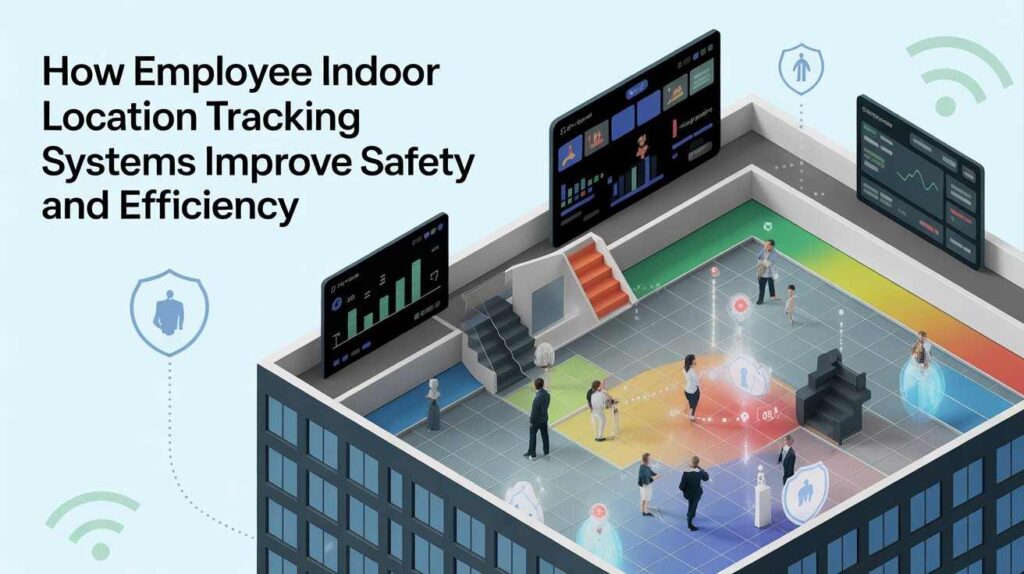
In today’s fast-paced business world, optimizing operational efficiency, improving workplace safety, and enhancing employee accountability are essential for organizational success. One of the most effective technologies that companies are now using to address these needs is the employee indoor location tracking system. This system uses various technologies to track and monitor the real-time location of employees inside a building or facility. By providing accurate data on where employees are within the workspace, businesses can not only improve productivity but also ensure safety and compliance with safety regulations.
This article explores the employee indoor location tracking system, examining its benefits, features, and challenges, and providing insights into how businesses can successfully implement such systems. It will also cover the real-world applications of this technology across various industries.
What is an Employee Indoor Location Tracking System?
An employee indoor location tracking system is a technology solution that uses sensors, RFID tags, Wi-Fi, Bluetooth, or infrared signals to monitor the movement of employees within a specific indoor area. These systems typically use real-time data collection, which helps businesses track employee location, their movement within the workplace, and time spent in various zones.
The system works by placing sensors and trackers around the workplace. Employees are typically provided with badges or wearables equipped with RFID tags or Bluetooth beacons. These trackers communicate with the installed sensors, sending data to a central system where it is processed and made accessible to authorized personnel.
Some of the common tracking technologies used in these systems include:
- RFID (Radio Frequency Identification): Passive or active RFID tags placed on employees’ badges or clothing.
- Bluetooth Low Energy (BLE) Beacons: Small devices placed around the office to send signals to nearby devices worn by employees.
- Wi-Fi-based Tracking: Leverages existing Wi-Fi infrastructure to track the movements of employees based on their device connections.
- Infrared Sensors: Use infrared signals to detect the proximity of employees to designated points.
Why is Employee Indoor Location Tracking Important?
1. Enhanced Safety and Security
One of the most important reasons for implementing an employee indoor location tracking system is safety. In workplaces that involve hazardous materials, heavy machinery, or high-risk environments, knowing the precise location of employees is crucial. In the event of an emergency, such as a fire, gas leak, or building evacuation, having real-time data on the exact locations of employees ensures a quicker response time. This can prevent accidents, save lives, and significantly reduce injury rates.
For example, in manufacturing facilities or construction sites, such systems help track employees in dangerous zones, ensuring that they remain within safe areas. In healthcare environments, this technology ensures that medical staff are quickly located in emergency situations to provide critical care.
2. Improved Operational Efficiency
Employee tracking systems not only improve safety but also optimize operational workflows. These systems enable businesses to track time spent by employees in various parts of the facility. By understanding employee movement patterns, companies can identify inefficiencies and bottlenecks, allowing for a more effective allocation of resources.
For example, if workers are spending too much time moving from one area to another, businesses can reconfigure the layout of the workspace to reduce time wasted on unnecessary movements, leading to improved productivity.
3. Accountability and Compliance
In many industries, especially those involving regulations and compliance (such as healthcare, pharmaceuticals, and manufacturing), tracking employee movements is critical for ensuring compliance with safety rules and operational standards. An employee indoor location tracking system provides a transparent, accountable method of monitoring employee behavior in real-time, ensuring that employees follow prescribed safety guidelines and procedures.
Moreover, these systems help employers manage time and attendance more accurately, reducing instances of absenteeism or non-compliance with work hours.
4. Better Resource Allocation
Tracking employee movements provides insights into how space and resources are utilized. Businesses can use this data to optimize office layouts or workforce assignments. For example, if a certain department or area is overcrowded, the system may indicate a need to redistribute resources more effectively or even redesign spaces to better accommodate employees.
How Does an Employee Indoor Location Tracking System Work?
The workings of an employee indoor location tracking system can be broken down into several key components:
1. Tracking Devices
Employees are typically equipped with tracking devices such as RFID badges, Bluetooth beacons, or mobile phones that communicate with sensors placed throughout the building. These devices send out signals that can be picked up by strategically placed receivers, allowing the system to triangulate their exact location.
2. Sensors and Beacons
The system relies on a network of sensors and beacons to detect the signals from employee devices. These sensors are usually installed in fixed locations within the workplace and work in conjunction with the tracking devices to pinpoint an employee’s position in real-time.
3. Data Transmission and Storage
Once the data is collected, it is transmitted to a central server or cloud-based system. This data is processed and stored in a secure database, where it can be accessed by management or authorized personnel.
4. Analysis and Reporting
After the data has been collected and stored, the system analyzes it to generate reports or visualizations such as heatmaps, location-based timelines, or movement patterns. Managers and decision-makers can use this information to make informed decisions about employee productivity, office layout, and even safety measures.
5. Real-Time Monitoring
Most systems offer real-time tracking, allowing managers to view live updates of employee locations. This can be particularly useful in emergencies or for monitoring compliance in regulated industries.
Key Features of an Employee Indoor Location Tracking System
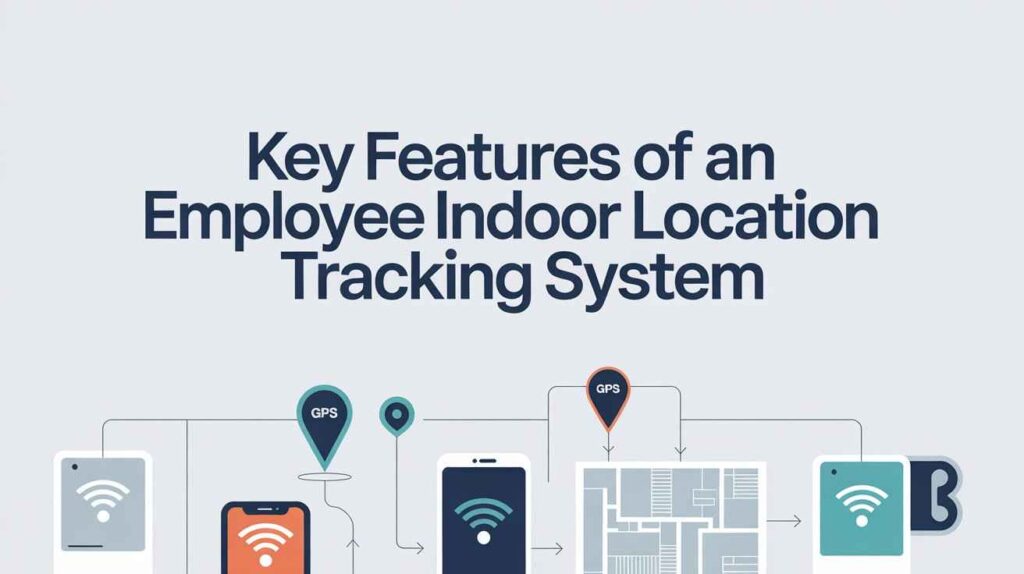
A well-designed employee indoor location tracking system offers several essential features:
1. Real-Time Location Updates
Employees’ locations are updated continuously, providing a live view of the workforce at any given time. This is critical for industries with high safety risks or where employees are spread across large or complex facilities.
2. Geofencing Capabilities
Geofencing is a powerful feature that allows managers to create virtual boundaries within the building. When employees enter or exit these areas, the system can send alerts. This is especially useful for managing restricted or sensitive areas in the workplace.
3. Customizable Reporting and Analytics
Businesses can customize the type of reports and analytics they need. From simple movement tracking to more complex analysis such as employee dwell time, businesses can gain deep insights into employee behavior and workflow optimization.
4. Mobile Integration
Many indoor location tracking systems come with mobile apps or integration capabilities, allowing employees and managers to view real-time data on their smartphones or other mobile devices.
5. Scalability
As your business grows, so too should your tracking system. Scalable indoor location tracking systems can accommodate additional locations, devices, and features as your business expands.
Challenges of Implementing an Employee Indoor Location Tracking System
While the benefits of indoor tracking systems are clear, businesses must be aware of several challenges when implementing these systems:
1. Privacy Concerns
Employee monitoring, even if aimed at improving productivity and safety, can raise privacy concerns. Employees may feel uncomfortable with the idea of constant monitoring. Clear communication about the purpose of tracking and the data being collected is essential to ensure transparency and build trust.
2. Cost of Implementation
Setting up an employee indoor location tracking system can be expensive, especially for large organizations. Costs include purchasing devices, installing sensors, and maintaining the system. However, many businesses find that the return on investment justifies the cost.
3. Data Security
With sensitive data being collected, businesses must ensure that it is stored securely. Proper encryption, access controls, and compliance with data protection regulations are crucial to safeguarding employee privacy.
4. System Integration
Integrating the tracking system with existing software and infrastructure (e.g., HR systems or time-tracking software) can be complex. It may require custom development or additional IT resources to ensure seamless integration.
Real-World Applications of Employee Indoor Location Tracking Systems
1. Healthcare
Hospitals and healthcare facilities use indoor tracking systems to monitor the movement of medical staff and ensure they are available when needed. This also helps hospitals comply with regulatory requirements and improve patient care by ensuring timely responses.
2. Manufacturing
Manufacturing plants use location tracking to enhance safety in high-risk areas. By tracking the movements of employees, businesses can ensure workers stay within safe zones and avoid hazardous locations.
3. Retail
Retailers track the location of their staff to ensure optimal customer service. Employees are quickly located when customers need assistance, and managers can monitor staff movements to improve store layout and staffing strategies.
4. Corporate Offices
Large offices can use indoor location tracking systems to optimize workspace utilization. Businesses can analyze how much time employees spend in different areas, ensuring that resources are used efficiently.
Final Thoughts
The employee indoor location tracking system offers significant advantages for businesses looking to improve workplace safety, enhance productivity, and optimize operational efficiency. With the ability to track employee movements, businesses can better allocate resources, ensure employee safety, and identify bottlenecks that may impede workflow.
However, while the benefits are clear, businesses must carefully address concerns related to privacy, cost, and data security. Being transparent with employees and adhering to data protection regulations will help organizations mitigate potential drawbacks and ensure successful implementation.
For industries with complex workflows or safety risks, an indoor tracking system is not just a tool; it is a strategic asset that can improve overall operations and help businesses achieve their goals more effectively.
FAQs about Employee Indoor Location Tracking System
1. What is an Employee Indoor Location Tracking System?
An employee indoor location tracking system uses sensors, RFID tags, Bluetooth beacons, and Wi-Fi technology to track the movements of employees within a building. It provides real-time data on where employees are located and how long they stay in specific zones within the workplace.
2. How does the Employee Indoor Location Tracking System work?
The system works by placing sensors or beacons around the workplace that communicate with tracking devices worn by employees, such as RFID badges or Bluetooth-enabled devices. The data from these devices is sent to a central server or cloud system, where it is processed and displayed for monitoring and analysis.
3. What are the key benefits of using an Employee Indoor Location Tracking System?
Key benefits include enhanced employee safety, improved operational efficiency, better resource allocation, improved accountability, and compliance with safety regulations. It also provides valuable insights into employee movement patterns and workflows.
4. What technologies are used in these tracking systems?
The system uses technologies like RFID (Radio Frequency Identification), Bluetooth Low Energy (BLE) beacons, Wi-Fi-based tracking, and infrared sensors to track employee locations.
5. Why is the Employee Indoor Location Tracking System important?
This system is essential for improving workplace safety, especially in high-risk environments like manufacturing and healthcare. It also helps optimize workflow efficiency, monitor employee behavior, and ensure compliance with industry-specific regulations.
6. Can the system help in improving employee productivity?
Yes, by tracking the time spent in different areas of the workplace, businesses can identify inefficiencies, minimize delays, and improve overall productivity by adjusting workflows or space utilization.
7. Are there any privacy concerns with using an indoor location tracking system?
Yes, privacy concerns may arise, as employees may feel uncomfortable being monitored. However, clear communication about the system’s purpose and transparency regarding the data collected can help build trust and mitigate these concerns.
8. How much does it cost to implement an Employee Indoor Location Tracking System?
The cost can vary depending on the scale of the system, the technology used, and the number of devices needed. For larger organizations or complex facilities, the cost may be higher, but the return on investment through improved efficiency and safety is often worth it.
9. How is the data collected by the system stored and protected?
The data collected from employees’ movements is transmitted to a central system, where it is stored securely. To protect privacy, businesses must implement encryption, secure data storage practices, and adhere to data protection regulations.
10. Can an indoor location tracking system be integrated with other workplace systems?
Yes, many indoor tracking systems can be integrated with existing business systems such as HR management, payroll, and time tracking software. However, integrating these systems may require custom development or IT resources.
11. What are the challenges of implementing an Employee Indoor Location Tracking System?
Challenges include privacy concerns, high implementation costs, data security, and integrating the system with existing infrastructure. Ensuring transparency and proper communication with employees is key to overcoming these challenges.
12. Which industries can benefit the most from Employee Indoor Location Tracking Systems?
Industries such as healthcare, manufacturing, retail, and large corporate offices can benefit greatly from indoor location tracking systems. These sectors often deal with large teams, high-risk environments, or regulatory requirements where real-time tracking can significantly improve operations.
13. Can the system be scaled as my business grows?
Yes, a good employee indoor location tracking system is scalable and can accommodate additional devices, locations, and features as your business expands. This ensures that the system remains effective and useful as your organization grows.
14. How can geofencing be used in an indoor location tracking system?
Geofencing allows businesses to create virtual boundaries within a building. When employees enter or exit these designated areas, the system sends automatic alerts, helping businesses manage restricted areas or ensure that employees remain in safe zones.
15. What kind of data can be collected by the system?
The system can collect a variety of data, including real-time location, time spent in specific areas, movement patterns, and employee engagement. This data can be used to generate reports, heatmaps, and visualizations to assist in operational decision-making.
16. How does this system ensure compliance with safety regulations?
By continuously monitoring employee locations and ensuring they are in designated safe zones, the system helps ensure that safety regulations are followed. It can also alert management if an employee enters a hazardous area or fails to follow safety procedures.
17. What kind of reports can be generated by the system?
Reports may include employee movement patterns, time spent in specific zones, heatmaps showing high-traffic areas, and productivity analysis. These reports can help businesses make informed decisions regarding resource allocation, workspace design, and employee management.
18. Can an indoor location tracking system help in emergency situations?
Yes, in emergencies such as fires, gas leaks, or building evacuations, knowing the precise location of all employees allows for quick and efficient responses. This can help evacuate personnel safely and ensure that no one is left behind in a hazardous area.
19. How does the system improve accountability in the workplace?
By tracking employee locations and movements, businesses can ensure that employees are where they need to be, at the right times. This system helps reduce absenteeism and increases employee accountability for following work schedules and safety protocols.
20. Are there mobile applications for indoor location tracking systems?
Many indoor tracking systems come with mobile app integration, allowing both employees and managers to view real-time data on their smartphones. This helps in monitoring and managing the workforce, especially in large or multi-location businesses.
ALSO READ
Cartetach: The Powerful Future Of Collaboration
RevolverTech Contact Information: Everything You Need to Know
AI Hardware Development Company Radiocord Technologies: Revolutionizing the Future