
Introduction
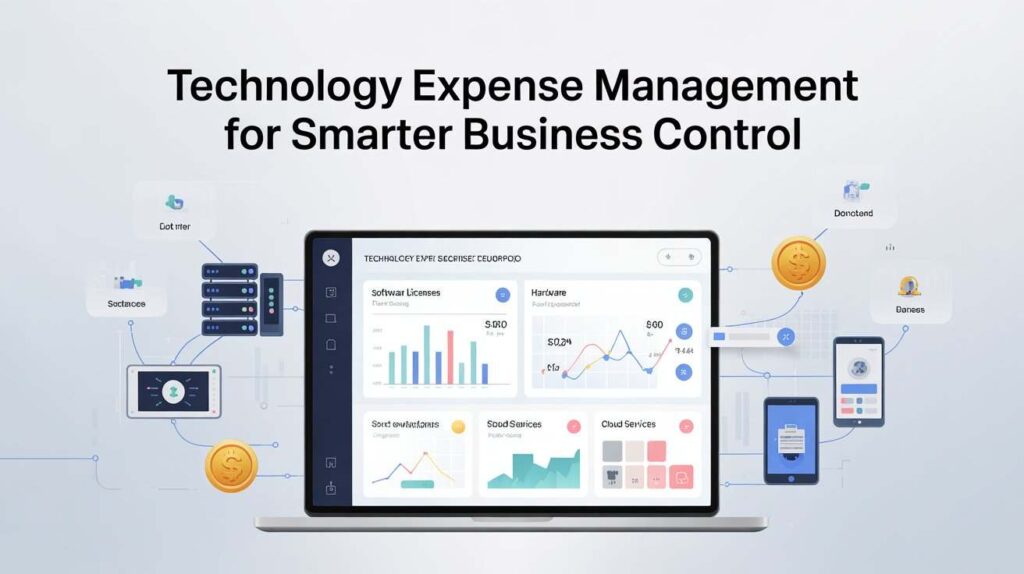
In today’s digital-first business environment, organizations rely heavily on technology to operate, scale, and compete. From cloud platforms and SaaS subscriptions to hardware, cybersecurity tools, and data infrastructure, technology spending has become one of the fastest-growing operational costs. This rapid growth has made technology expense management a critical priority for businesses of all sizes.
Technology expense management is not just about cutting costs—it’s about gaining visibility, accountability, and strategic control over technology investments. Without a structured approach, companies often face hidden expenses, unused subscriptions, duplicated tools, and unpredictable IT budgets. These inefficiencies quietly drain resources and reduce overall profitability.
This comprehensive guide explores technology expense management in depth—what it is, why it matters, how it works, best practices, tools, challenges, and future trends. Whether you’re a startup founder, IT leader, finance manager, or business executive, understanding technology expense management can transform how your organization allocates and maximizes its technology budget.
What Is Technology Expense Management?
Technology expense management refers to the processes, tools, and strategies used to track, analyze, optimize, and control an organization’s spending on technology resources. These resources include software licenses, cloud services, hardware, telecom services, IT support contracts, and digital infrastructure.
At its core, technology expense management provides transparency into where money is being spent, why it is being spent, and whether that spending delivers real value. It bridges the gap between IT and finance, ensuring that technology investments align with business goals.
Unlike traditional expense tracking, technology expense focuses on recurring costs, long-term contracts, and usage-based pricing models that are common in modern IT environments. This makes it essential for sustainable financial planning and operational efficiency.
Why Technology Expense Management Is Important
Technology costs are no longer static or predictable. Subscription-based software, cloud consumption models, and remote work tools have introduced complexity into IT budgeting. In the absence of effective monitoring, costs may increase uncontrollably.
One major reason technology expense is important is cost visibility. Many organizations lack a centralized view of their technology spending, leading to fragmented budgets and unclear ownership. This often results in paying for tools that are underutilized or no longer needed.
Another key reason is financial accountability. Technology expense ensures that every expense is tied to a business purpose, department, or outcome. This improves decision-making and reduces unnecessary spending.
Additionally, effective technology expense supports scalability. As businesses grow, their technology needs expand. A structured expense management system ensures that growth is sustainable and aligned with financial strategy.
Key Components of Technology Expense Management
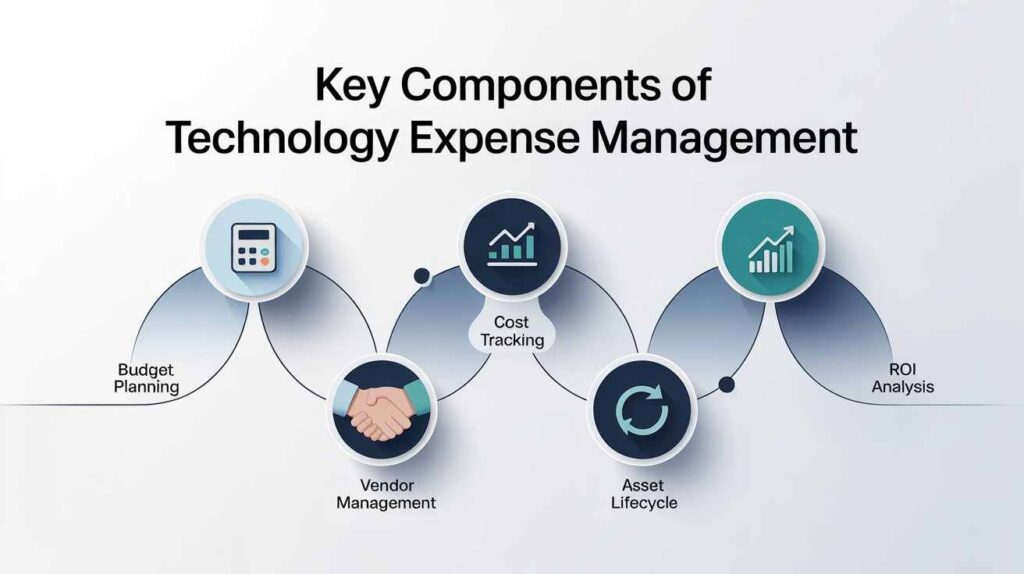
Technology expense is built on several interconnected components that work together to create financial control and operational efficiency.
Expense Tracking and Visibility
The foundation of technology expense is accurate tracking. This involves capturing all technology-related expenses across departments, vendors, and platforms. Centralized dashboards and reporting tools provide real-time visibility into spending patterns.
Vendor and Contract Management
Managing vendor relationships and contracts is critical. Many technology expenses are governed by long-term agreements with complex pricing structures. Technology expense management helps track contract terms, renewal dates, and cost escalations.
Usage Monitoring
Usage-based pricing models make it essential to monitor actual consumption. This applies to cloud services, SaaS licenses, and telecom services. Understanding usage helps prevent overpayment and supports right-sizing initiatives.
Budgeting and Forecasting
Technology expense supports accurate budgeting by analyzing historical data and predicting future costs. This enables organizations to plan investments strategically rather than reactively.
Common Challenges in Technology Expense Management
Despite its importance, many organizations struggle to implement effective technology expense management.
One common challenge is decentralized purchasing. When departments independently purchase tools, it leads to duplication and lack of standardization. This makes it difficult to track and optimize expenses.
Another challenge is shadow IT. Employees often adopt tools without formal approval, creating hidden costs and security risks. Technology expense helps identify and address these unauthorized expenses.
Complex pricing models also pose challenges. Cloud services and SaaS platforms often use tiered, usage-based, or hybrid pricing structures that are difficult to predict without proper monitoring.
Finally, lack of collaboration between IT and finance teams can hinder effective expense management. Successful technology expense requires alignment between technical and financial stakeholders.
Benefits of Effective Technology Expense Management
When implemented correctly, technology expense management delivers significant benefits across the organization.
One major benefit is cost optimization. By identifying unused licenses, redundant tools, and inefficiencies, businesses can reduce unnecessary spending without compromising performance.
Another benefit is improved decision-making. Access to accurate spending data enables leaders to evaluate ROI and prioritize investments that deliver the greatest value.
Technology expense also enhances compliance and risk management. By tracking vendors and contracts, organizations reduce the risk of unexpected renewals, compliance violations, or security gaps.
Additionally, it improves operational efficiency. Streamlined processes and centralized oversight reduce administrative burden and free up resources for innovation.
Technology Expense Management vs Traditional Expense Management
Traditional expense management focuses on employee reimbursements, travel expenses, and one-time purchases. While important, it does not address the complexity of modern technology spending.
Technology expense is specialized. It deals with recurring costs, long-term contracts, and dynamic pricing models. It also requires technical understanding to evaluate usage, performance, and scalability.
Unlike traditional expense management, technology expense is proactive rather than reactive. It focuses on continuous optimization rather than periodic reviews.
Best Practices for Technology Expense Management
Implementing technology expense management successfully requires a strategic approach.
Start by centralizing expense data. All technology-related costs should be captured in a single system to provide a unified view.
Establish clear ownership for technology expenses. Assign responsibility to specific teams or individuals to ensure accountability.
Conduct regular audits to identify unused or underutilized resources. This helps eliminate waste and optimize spending.
Align technology investments with business objectives. Every expense should support a strategic goal or operational need.
Finally, foster collaboration between IT, finance, and procurement teams. Technology expense is most effective when these stakeholders work together.
Role of Automation in Technology Expense Management
Automation plays a crucial role in modern technology expense management. Manual tracking is time-consuming and error-prone, especially in large organizations.
Automated tools collect data from invoices, cloud platforms, and software vendors in real time. They provide insights into spending trends and anomalies.
Automation also supports alerts and notifications for contract renewals, budget thresholds, and unusual usage patterns. This enables proactive decision-making.
By reducing manual effort, automation allows teams to focus on strategy rather than administration.
Technology Expense Management for Small Businesses
Small businesses often assume that technology expense management is only for large enterprises. In reality, it is equally important for smaller organizations.
Limited budgets make cost control critical. Technology expense helps small businesses avoid overspending and maximize value from their technology investments.
It also supports scalability. As small businesses grow, structured expense management ensures that technology costs remain aligned with revenue.
By adopting technology expense early, small businesses build a strong financial foundation for future growth.
Technology Expense Management in the Cloud Era
Cloud computing has transformed how businesses consume technology. While it offers flexibility and scalability, it also introduces new expense management challenges.
Usage-based pricing can lead to unexpected costs if not monitored carefully. Technology expense management provides tools to track cloud usage and optimize resource allocation.
It also supports cost allocation across teams and projects, ensuring transparency and accountability.
In the cloud era, technology expense is essential for balancing innovation with financial discipline.
Security and Compliance Considerations
Technology expense management is closely linked to security and compliance. Untracked or unauthorized tools increase the risk of data breaches and regulatory violations.
By maintaining an accurate inventory of technology assets, organizations improve security posture and compliance readiness.
Expense management also supports vendor risk assessments and contract compliance, reducing exposure to legal and financial risks.
Future Trends in Technology Expense Management
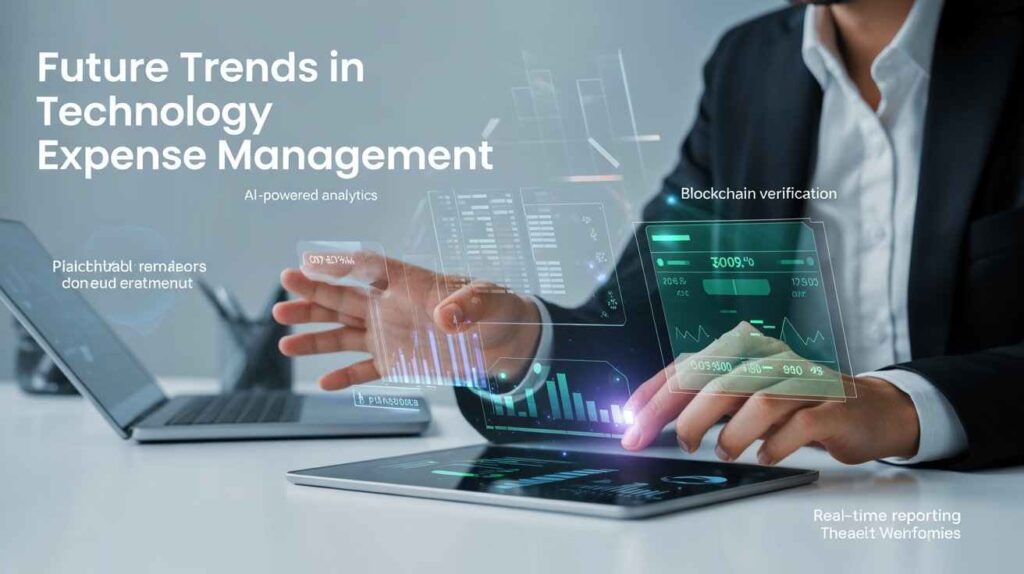
The future of technology expense management is shaped by data analytics, artificial intelligence, and predictive modeling.
Advanced analytics will provide deeper insights into spending patterns and ROI. AI-driven tools will automate optimization and forecasting.
Integration with broader financial management systems will create a holistic view of organizational spending.
As technology continues to evolve, expense management will become increasingly strategic and data-driven.
Final Thoughts
Technology expense management is no longer optional—it is a strategic necessity in a digital-first world. Organizations that lack visibility and control over their technology spending risk inefficiencies, financial strain, and missed opportunities. By implementing structured processes and leveraging modern tools, businesses can transform technology costs into strategic investments.
Ultimately, technology expense empowers organizations to align innovation with financial discipline. It enables smarter decisions, sustainable growth, and long-term success. Businesses that prioritize technology expense today will be better equipped to navigate tomorrow’s digital challenges with confidence and clarity.
Frequently Asked Questions (FAQs)
1. What is technology expense management?
Technology expense management is the process of tracking, analyzing, and optimizing an organization’s spending on technology, including software, cloud services, hardware, and IT contracts, to ensure better cost control and value.
2. What makes the management of technology-related expenses essential for organisations?
It is important because technology costs are growing rapidly and often become unpredictable. Technology expense provides visibility, accountability, and control, helping businesses avoid waste and overspending.
3. What types of expenses are included in technology expense management?
It includes software licenses, SaaS subscriptions, cloud services, hardware, telecom services, cybersecurity tools, IT support contracts, and other digital infrastructure costs.
4. How does technology expense management help reduce costs?
It identifies unused subscriptions, duplicate tools, inefficient contracts, and overprovisioned resources, allowing businesses to eliminate waste without sacrificing performance.
5. How is technology expense management different from traditional expense management?
Traditional expense management focuses on travel, reimbursements, and one-time purchases, while technology expense focuses on recurring, usage-based, and long-term technology costs that require continuous monitoring.
6. What are the biggest challenges in technology expense management?
Common challenges include decentralized purchasing, shadow IT, complex pricing models, lack of visibility, and poor coordination between IT and finance teams.
7. Can small businesses benefit from technology expense management?
Yes. Small businesses often have limited budgets, making cost control essential. Technology expense helps them maximize value, avoid overspending, and scale sustainably.
8. How does cloud computing impact technology expense management?
Cloud services use usage-based pricing, which can lead to unexpected costs. Technology expense management helps monitor usage, optimize resources, and allocate costs accurately across teams.
9. What role does automation play in technology expense management?
Automation reduces manual work by collecting data in real time, tracking usage, managing contracts, and sending alerts for renewals or budget thresholds, enabling proactive cost control.
10. How does technology expense management improve decision-making?
By providing accurate and centralized spending data, it helps leaders evaluate return on investment (ROI), prioritize high-value tools, and align technology spending with business goals.
11. Is technology expense management connected to security and compliance?
Yes. Tracking authorized tools and vendors reduces security risks, prevents unauthorized software use, and supports compliance with regulatory and contractual requirements.
12. How often should technology expenses be reviewed?
Technology expenses should be reviewed regularly—monthly or quarterly—to catch inefficiencies early and ensure continuous optimization.
13. What is the future of technology expense management?
The future includes AI-driven analytics, predictive cost forecasting, deeper automation, and tighter integration with financial systems to support smarter, data-driven decisions.
ALSO READ
Tech Capital of the World: Which Cities Lead Global Innovation