Introduction
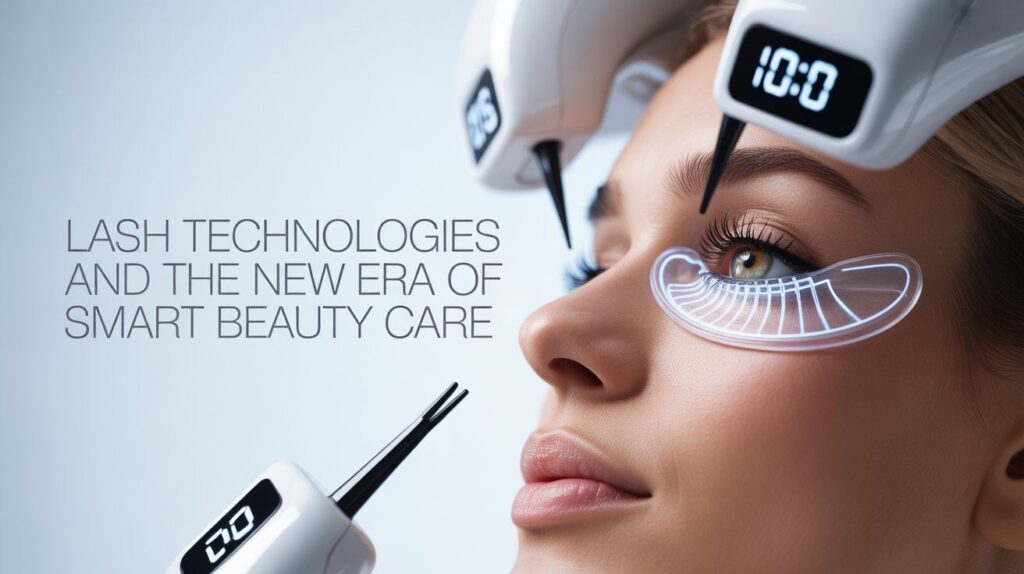
The beauty industry is no longer driven by tradition alone. Innovation, science, and digital transformation are now shaping how people enhance their appearance, and lash technologies are a perfect example of this evolution. What was once limited to manual lash extensions and basic mascara has expanded into a sophisticated ecosystem of smart tools, advanced materials, and technology-driven techniques.
Today, lash technologies combine beauty with precision, comfort, safety, and personalization. From AI-guided lash mapping to heat-controlled curlers and lightweight synthetic fibers, the lash industry has embraced modern engineering to meet growing consumer expectations. This transformation is not just a trend—it reflects how technology is redefining personal care and beauty routines worldwide.
In this in-depth article, we’ll explore lash technologies from every angle: what they are, how they work, their benefits, industry trends, tools, materials, professional applications, and where the future is headed.
What Are Lash Technologies?
Lash technologies refer to the advanced tools, materials, software, and techniques used to enhance, apply, maintain, and design eyelashes more efficiently and safely. These technologies focus on improving results while reducing damage, time, and discomfort.
They include:
- Smart lash application tools
- Advanced synthetic and bio-based lash fibers
- Precision adhesives with controlled curing
- AI-assisted lash design systems
- Heat-based curlers and stylers
- Automated lash extension devices
The goal of lash technologies is simple: better lashes with less risk and more customization.
The Evolution of Lash Technologies
Early Lash Enhancements
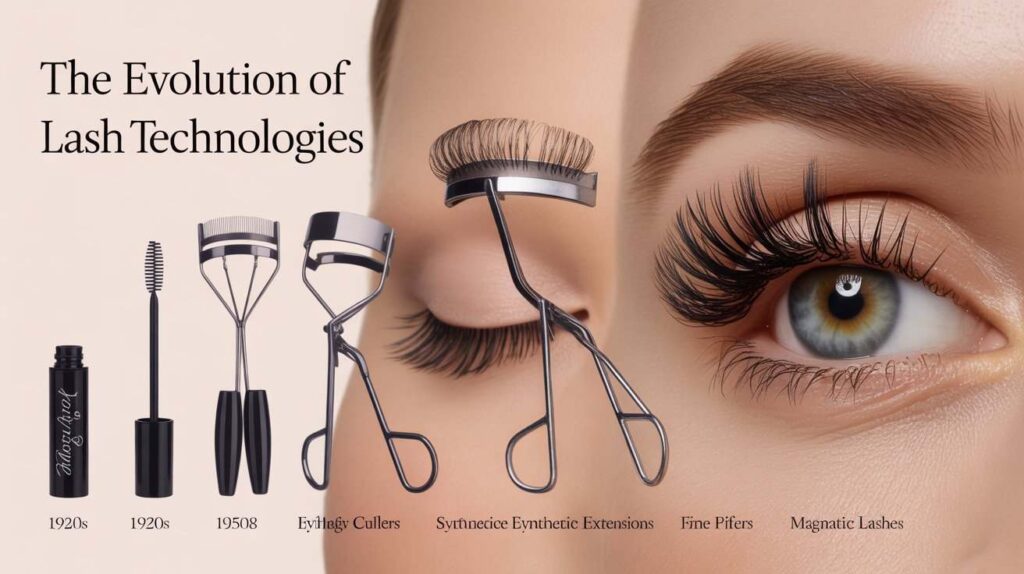
In the past, lash enhancement relied heavily on false strip lashes and mascara. These methods were temporary, often uncomfortable, and lacked durability.
Rise of Lash Extensions
The introduction of individual lash extensions marked a major shift. While effective, early methods were time-consuming and required significant manual skill.
Technology-Driven Transformation
Modern lash technologies now integrate engineering, material science, and digital tools to enhance precision and efficiency. This shift has transformed lash services into a high-tech beauty solution rather than a purely cosmetic process.
Key Components of Modern Lash Technologies
1. Advanced Lash Fibers
Modern lash fibers are designed to look natural while remaining lightweight and durable. These fibers include:
- Synthetic silk lashes
- Faux mink alternatives
- Vegan and cruelty-free fibers
- Heat-resistant polymers
These materials mimic the texture and curl of natural lashes while offering improved longevity.
2. Smart Lash Adhesives
Traditional lash glue often caused irritation or damage. New lash technologies have introduced:
- Hypoallergenic adhesives
- Fast-curing formulas
- Temperature-resistant bonds
- Low-fume solutions
Some adhesives now work with controlled curing systems to reduce application errors.
3. AI-Powered Lash Mapping
One of the most exciting advancements in lash technologies is AI-assisted lash design. These systems analyze:
- Eye shape
- Lash density
- Facial symmetry
- Personal style preferences
Based on this data, AI recommends lash length, curl, and placement for a customized look.
4. Heat-Controlled Lash Curlers
Modern lash curlers now feature:
- Adjustable temperature settings
- Ceramic heating elements
- Safety sensors to prevent overheating
These tools deliver longer-lasting curls with minimal damage compared to traditional mechanical curlers.
5. Automated Lash Application Devices
Automation is entering the lash industry with tools that assist professionals in applying lashes with consistent spacing and angle control. These devices improve efficiency while maintaining artistic control.
Benefits of Lash Technologies
Enhanced Precision
Technology minimizes human error, resulting in symmetrical, well-aligned lashes.
Improved Safety
Advanced adhesives and tools reduce irritation, breakage, and allergic reactions.
Time Efficiency
Automated and AI-assisted tools significantly reduce application time.
Customization
Clients receive personalized lash designs tailored to their facial features.
Sustainability
Many lash technologies now prioritize eco-friendly materials and cruelty-free production.
Lash Technologies in Professional Salons
Professional lash artists are increasingly adopting technology to improve service quality. High-end salons now use:
- Digital consultation tools
- Smart lighting systems
- Precision magnification devices
- Temperature-controlled environments
These advancements elevate lash services from beauty treatments to high-precision cosmetic procedures.
Lash Technologies for Home Use
Not all lash technologies are limited to professionals. Consumers can now access:
- Smart lash curlers
- Magnetic lashes with precision alignment
- DIY extension kits with guided tools
- App-assisted beauty devices
These products empower users to achieve salon-quality results at home.
Role of AI and Data in Lash Technologies
Artificial intelligence plays a growing role in lash innovation. AI systems collect data on user preferences, application results, and facial metrics to refine lash designs over time.
Benefits include:
- Personalized recommendations
- Consistent outcomes
- Reduced trial and error
- Improved client satisfaction
As AI evolves, lash technologies will become even more adaptive and predictive.
Lash Technologies and Health Considerations
One major focus of modern lash technologies is lash health. Innovations aim to:
- Reduce lash follicle stress
- Prevent traction alopecia
- Maintain natural lash growth cycles
Many tools and adhesives now include nourishing compounds to support lash strength.
Sustainability in Lash Technologies
Environmental responsibility is becoming essential. Many brands now focus on:
- Biodegradable lash trays
- Recyclable packaging
- Reusable lash tools
- Vegan and cruelty-free materials
Sustainable lash technologies appeal to eco-conscious consumers without compromising quality.
Market Growth and Industry Trends
The global lash technology market is expanding rapidly due to:
- Increased beauty awareness
- Social media influence
- Demand for personalization
- Technological accessibility
Innovation continues to drive competition, resulting in better tools and more affordable solutions.
Future of Lash Technologies
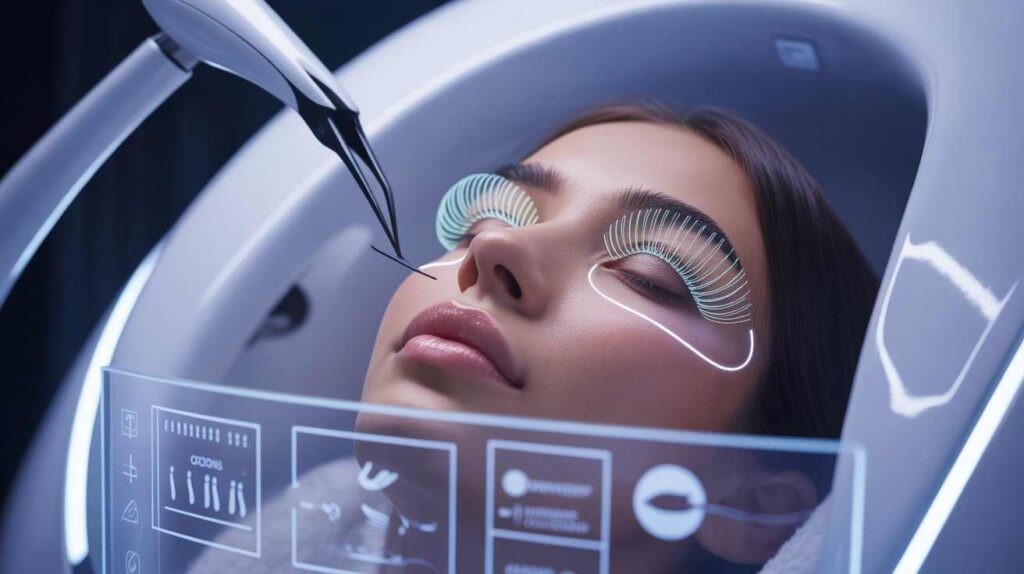
The future of lash technologies looks promising. Expected developments include:
- Fully automated lash application systems
- AR-based virtual lash previews
- Bio-engineered lash growth enhancements
- Smart wearables for lash care
As beauty and technology continue to intersect, lashes will become a prime example of functional cosmetic innovation.
Challenges Facing Lash Technologies
Despite rapid growth, challenges remain:
- High initial costs for professionals
- Learning curves for new tools
- Regulatory compliance
- Consumer education
However, ongoing research and market maturity are addressing these issues.
Final Thoughts
Lash technologies illustrate how deeply innovation is reshaping even the most personal aspects of modern life. What began as a purely cosmetic practice has evolved into a refined blend of science, data, material engineering, and intelligent design. From AI-powered lash mapping to advanced fibers and safer application systems, the lash industry now reflects the same precision and personalization seen in cutting-edge consumer technologies.
Looking ahead, lash technologies are set to become even more intuitive, sustainable, and accessible. As automation, artificial intelligence, and bio-innovation continue to advance, beauty routines will increasingly prioritize both performance and long-term health. Whether adopted by professionals or everyday users, these technologies signal a future where beauty enhancement is smarter, safer, and more thoughtfully designed—proving that innovation has a place not only in laboratories and devices, but in everyday self-care as well.
Frequently Asked Questions (FAQs)
1. What are lash technologies?
Lash technologies are advanced tools, materials, and systems designed to enhance, apply, and maintain eyelashes more efficiently, safely, and precisely using modern science and innovation.
2. How are lash technologies different from traditional lash methods?
Traditional lash methods rely heavily on manual techniques and basic products, while lash technology use AI, smart tools, advanced fibers, and precision adhesives to deliver more consistent, customized, and safer results.
3. Are lash technologies safe for natural lashes?
Yes, modern lash technology prioritize lash health by reducing follicle stress, preventing breakage, and supporting natural lash growth through improved tools and gentler adhesives.
4. How does artificial intelligence improve lash technologies?
AI helps analyze eye shape, lash density, and facial features to recommend personalized lash designs, improving precision, symmetry, and overall satisfaction.
5. Can lash technologies be used at home?
Many lash technology are now designed for home use, including smart lash curlers, magnetic lashes, guided DIY kits, and app-assisted beauty devices that offer salon-like results.
6. Do lash technologies make lash applications faster?
Yes, automation and AI-assisted tools significantly reduce application time while maintaining high accuracy and consistency, especially in professional salon settings.
7. Are modern lash adhesives safer than traditional glue?
Advanced lash adhesives are often hypoallergenic, low-fume, fast-curing, and temperature-resistant, making them safer and more comfortable than older formulas.
8. Are lash technologies environmentally friendly?
Many brands now focus on sustainability by using vegan fibers, cruelty-free materials, recyclable packaging, and reusable tools to reduce environmental impact.
9. Do professional lash artists need special training for lash technologies?
Yes, while these technologies improve efficiency, professionals typically require training to use advanced tools and systems correctly and safely.
10. How do lash technologies support lash health?
Innovations are designed to reduce tension on natural lashes, avoid traction-related damage, and maintain healthy lash growth cycles through improved materials and techniques.
11. What role does data play in lash technologies?
Data helps refine lash designs over time by tracking preferences, outcomes, and facial metrics, allowing for more accurate and consistent results with each use.
12. What is the future of lash technologies?
The future includes AI-driven automation, augmented reality lash previews, bio-engineered lash enhancements, and smart wearables focused on long-term lash care.
13. What are lash technologies used for?
Lash technologies are used to enhance, apply, style, and maintain eyelashes more safely and efficiently using advanced tools, materials, and AI-driven systems.
14. Are lash technologies better than traditional lash extensions?
Yes, lash technology offer better precision, customization, safety, and consistency compared to traditional manual lash extension methods.
15. How does AI work in lash technologies?
AI analyzes facial features, eye shape, and lash density to recommend personalized lash designs, improving accuracy and reducing trial and error.
16. Can lash technologies damage natural lashes?
When used correctly, modern lash technology are designed to protect natural lashes by minimizing tension, reducing chemical exposure, and supporting healthy growth cycles.
17. Are lash technologies suitable for sensitive eyes?
Many lash technology products use hypoallergenic materials and low-fume adhesives, making them suitable for people with sensitive eyes.
18. Do professional salons use lash technologies?
Yes, many high-end salons use lash technology such as digital consultations, AI lash mapping, precision tools, and temperature-controlled equipment.
19. Can beginners use lash technology tools at home?
Yes, several lash technology tools are designed for home use, including smart curlers, magnetic lashes, and guided DIY kits.
20. Are lash technologies expensive?
Professional-grade systems can be costly, but consumer-friendly lash technologies are becoming more affordable as the market grows.
21. What materials are used in modern lash technologies?
Modern lash technology use synthetic silk fibers, vegan faux mink, heat-resistant polymers, and advanced bio-based materials.
22. Are lash technologies environmentally friendly?
Many brands focus on sustainability by offering reusable tools, biodegradable packaging, vegan fibers, and cruelty-free production methods.
23. How long do results from lash technologies last?
Results often last longer than traditional methods due to improved adhesives, precise application, and advanced materials.
24. What is the future of lash technologies?
The future includes AI automation, AR lash previews, bio-engineered lash growth solutions, and smart wearable devices for lash care.
ALSO READ
Biggest Tech Hubs in the World Powering Global Innovation
Pxless: The Ultimate Framework for Scalable Digital Design
Neural4D: Revolutionizing 3D Data with AI and Neural Networks