
Introduction
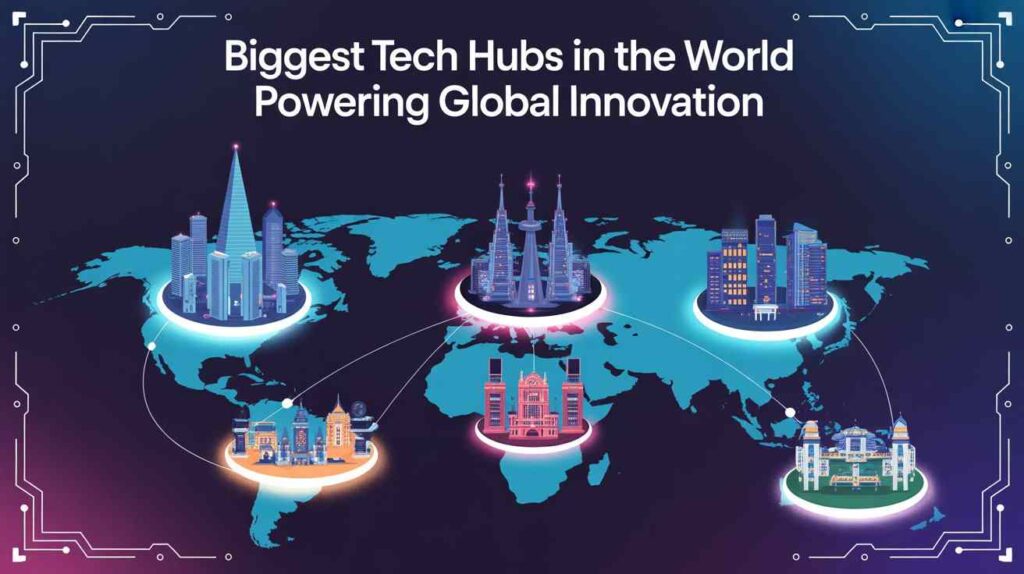
The biggest tech hubs in the world are the engines powering modern innovation, economic growth, and digital transformation. These cities and regions have become global centers for technology, attracting startups, multinational corporations, skilled professionals, and billions of dollars in investment. From software development and artificial intelligence to biotechnology and fintech, tech hubs shape how the world works, communicates, and grows.
As technology continues to redefine industries, understanding where innovation thrives has become more important than ever. This article explores the biggest tech hubs in the world, explaining why they matter, what makes them successful, and how they influence the global economy. Whether you are an entrepreneur, investor, student, or tech professional, knowing these hubs provides valuable insight into the future of technology.
What Makes a City a Global Tech Hub?
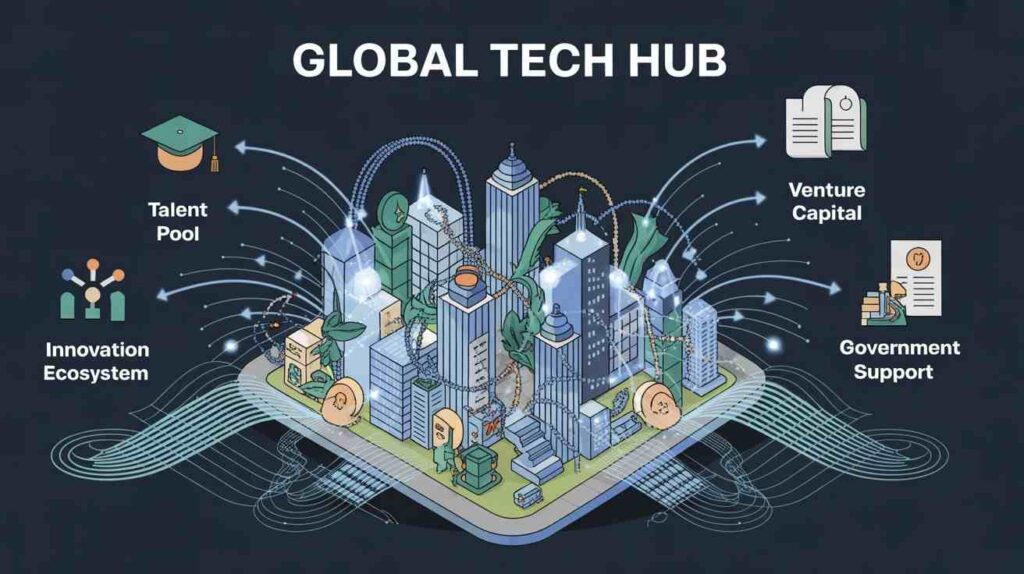
A tech hub is not built overnight. It develops through a combination of infrastructure, talent, investment, and innovation culture. The world’s largest tech hubs share common characteristics that allow them to grow faster than other regions.
Strong universities and research institutions play a critical role by producing skilled engineers and researchers. Access to venture capital and funding encourages startups to take risks and scale quickly. Supportive government policies, reliable digital infrastructure, and an entrepreneurial mindset further strengthen these ecosystems. Together, these elements create environments where technology businesses can thrive.
Silicon Valley, United States
Silicon Valley remains the most influential tech hub globally and is often considered the birthplace of modern technology entrepreneurship. Located in California, it is home to some of the world’s largest and most valuable technology companies, along with thousands of startups.
The region benefits from deep venture capital networks, a highly skilled workforce, and a culture that encourages innovation and risk-taking. Companies in Silicon Valley lead advancements in artificial intelligence, cloud computing, social media, and hardware design. Despite rising costs of living, its influence on global technology remains unmatched.
New York City, United States
New York City has evolved into one of the biggest tech hubs in the world, particularly in fintech, media technology, and e-commerce. Its strength lies in the combination of technology with finance, advertising, fashion, and entertainment.
Startups in New York benefit from access to global markets and major corporations. The city attracts tech talent who want exposure to diverse industries, making it a powerful center for innovation beyond traditional software development.
London, United Kingdom
London is Europe’s leading technology hub and a global powerhouse for fintech, cybersecurity, and artificial intelligence. Its strategic location, international workforce, and strong financial sector contribute to its success.
The city hosts thousands of startups and benefits from progressive digital policies and world-class universities. London’s ability to attract global talent has helped it remain competitive despite economic uncertainty and regulatory changes.
Berlin, Germany
Berlin has emerged as one of Europe’s fastest-growing tech hubs, known for startups, creative technology, and innovation-driven companies. Compared to other European capitals, Berlin offers relatively affordable living costs and a vibrant entrepreneurial culture.
The city attracts founders from across the world, particularly in software development, e-commerce, and digital services. Its open culture and supportive startup ecosystem continue to fuel rapid growth.
Paris, France
Paris has positioned itself as a major technology hub in Europe, especially in artificial intelligence and deep tech. Government initiatives and investment programs have helped accelerate startup growth.
The city combines innovation with strong research institutions and global corporate presence. Paris continues to attract international investors and tech professionals seeking long-term opportunities.
Bangalore, India
Bangalore is often called the Silicon Valley of India and is one of the biggest tech hubs in the world in terms of talent and software development. The city is a global leader in IT services, software engineering, and startup innovation.
With a massive pool of skilled engineers and lower operational costs, Bangalore attracts multinational companies and startups alike. Its growing focus on artificial intelligence, SaaS, and fintech continues to expand its global influence.
Hyderabad, India
Hyderabad has rapidly grown into a major technology hub, hosting global tech giants and innovative startups. The city is known for its strong infrastructure, business-friendly policies, and emphasis on innovation.
Technology sectors such as cloud computing, cybersecurity, and data analytics have seen significant growth in Hyderabad, making it one of Asia’s most important emerging hubs.
Shenzhen, China
Shenzhen is the hardware capital of the world and a key player among the biggest tech hubs in the world. Known for electronics manufacturing, innovation, and rapid prototyping, the city plays a vital role in global supply chains.
Its proximity to manufacturing facilities allows startups to move from idea to production faster than anywhere else. Shenzhen’s ecosystem supports hardware startups, AI companies, and telecom giants.
Beijing, China
Beijing is a global center for artificial intelligence, research, and internet technology. It hosts some of China’s largest technology companies and research institutions.
The city benefits from government support, advanced research facilities, and a massive domestic market. Beijing’s role in shaping AI development and digital platforms continues to expand globally.
Tokyo, Japan
Tokyo blends advanced technology with industrial strength, making it one of the world’s most sophisticated tech hubs. The city leads in robotics, electronics, and automotive technology.
Japan’s focus on precision engineering and innovation ensures Tokyo remains competitive in emerging technologies such as AI and smart manufacturing.
Seoul, South Korea
Seoul is a technology-driven city known for innovation in electronics, gaming, and telecommunications. Strong government investment and world-class infrastructure support its tech ecosystem.
The city’s rapid adoption of new technologies and digital services places it among the most influential tech hubs globally.
Singapore
Singapore is Asia’s leading financial and technology hub, known for fintech, cybersecurity, and startup innovation. Its strategic location and pro-business environment attract companies from around the world.
Strong digital infrastructure, political stability, and access to Asian markets make Singapore a preferred destination for technology companies expanding globally.
Tel Aviv, Israel
Tel Aviv is one of the most innovative tech hubs globally, particularly in cybersecurity, defense technology, and artificial intelligence. The city has one of the highest startup densities in the world.
Strong research institutions, military technology experience, and global investment networks contribute to Tel Aviv’s success as a technology powerhouse.
Toronto, Canada
Toronto has become North America’s fastest-growing tech hub, especially in artificial intelligence and data science. The city attracts global talent due to its diversity, quality of life, and strong education system.
Government support and partnerships with universities have helped Toronto build a competitive and sustainable tech ecosystem.
Why Tech Hubs Matter to the Global Economy
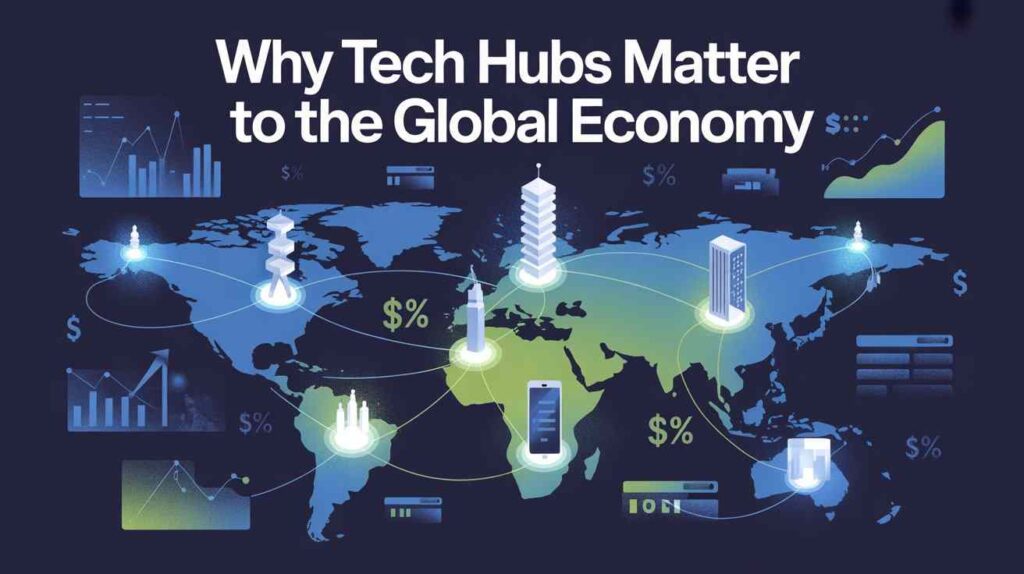
The biggest tech hubs in the world drive economic growth, job creation, and innovation. They influence how businesses operate, how people communicate, and how societies evolve.
These hubs create ecosystems where ideas turn into scalable solutions. They also shape global trends in artificial intelligence, automation, and digital transformation, impacting every industry worldwide.
Emerging Tech Hubs to Watch
While established hubs dominate today, emerging tech cities are gaining attention. Cities in Southeast Asia, Eastern Europe, Africa, and Latin America are developing strong tech ecosystems.
Lower costs, growing talent pools, and increasing investment make these regions attractive for startups and investors looking beyond traditional hubs.
Challenges Facing Global Tech Hubs
Despite their success, tech hubs face challenges such as rising costs, talent shortages, and regulatory pressures. Housing affordability and infrastructure strain are major concerns in mature hubs.
Balancing innovation with sustainability and inclusivity will be critical for the future growth of global tech centers.
Final Thoughts
The biggest tech hubs in the world are more than just cities with technology companies. They are ecosystems that shape global innovation, economic development, and the future of work. Each hub offers unique strengths, from Silicon Valley’s venture capital power to Shenzhen’s manufacturing speed and Bangalore’s engineering talent.
As technology continues to evolve, these hubs will remain central to global progress. Understanding their dynamics helps individuals and businesses make informed decisions about careers, investments, and expansion opportunities. The future of innovation will be written in these hubs, but new cities are rising, proving that the global tech landscape is constantly changing.
Frequently Asked Questions (FAQs)
1. What are the biggest tech hubs in the world?
The biggest tech hubs in the world are cities where technology companies, startups, investors, and skilled professionals cluster together. Leading examples include Silicon Valley, New York City, London, Bangalore, Shenzhen, Singapore, Tel Aviv, Tokyo, and Toronto.
2. Why are tech hubs important?
Tech hubs are important because they drive innovation, economic growth, and job creation. They bring together talent, funding, and infrastructure, allowing new technologies like AI, fintech, and software solutions to scale quickly and impact global industries.
3. What makes a city a global tech hub?
A city becomes a global tech hub through strong universities, access to venture capital, supportive government policies, advanced digital infrastructure, and a culture that encourages entrepreneurship, innovation, and collaboration among technology companies.
4. Why is Silicon Valley considered the leading global technology hub?
Silicon Valley is the world’s top tech hub because it combines deep venture capital networks, top universities, experienced tech talent, and a strong innovation culture that has produced many of the world’s largest technology companies.
5. Which tech hub is best for startups?
Silicon Valley, London, Berlin, Bangalore, and Tel Aviv are among the best tech hubs for startups. These cities offer access to funding, skilled talent, mentorship, and startup-friendly ecosystems that support rapid growth and innovation.
6. Why is Bangalore called the Silicon Valley of India?
Bangalore is called the Silicon Valley of India because it has a large concentration of software engineers, IT companies, global tech firms, and startups, making it India’s leading center for technology and innovation.
7. What makes Shenzhen a major tech hub?
Shenzhen is a major tech hub because it is the global center for electronics manufacturing and rapid hardware prototyping. Companies can design, test, and manufacture products quickly within a single, highly integrated ecosystem.
8. Which tech hubs lead in artificial intelligence?
Silicon Valley, Beijing, Toronto, Paris, and London are leading tech hubs for artificial intelligence. These cities host top AI research institutions, startups, and companies developing advanced machine learning and automation technologies.
9. Why is Singapore a leading tech hub in Asia?
Singapore is a leading Asian tech hub due to its strong digital infrastructure, business-friendly policies, political stability, and strategic location that connects global companies with Asian markets.
10. Are new tech hubs emerging globally?
Yes, new tech hubs are emerging in Southeast Asia, Eastern Europe, Africa, and Latin America. These regions attract startups with lower costs, growing talent pools, and increasing investment in technology ecosystems.
11. What challenges do tech hubs face?
Major challenges include rising living costs, housing shortages, talent competition, infrastructure pressure, and regulatory issues, especially in mature tech hubs with rapid population and business growth.
12. Do tech hubs still matter with remote work?
Yes, tech hubs still matter because they concentrate investment, research institutions, collaboration, and innovation ecosystems, even as remote work allows talent to operate from different locations.
ALSO READ
Pxless: The Ultimate Framework for Scalable Digital Design
Neural4D: Revolutionizing 3D Data with AI and Neural Networks
ETraderAI: A Complete Guide to Smarter AI Trading